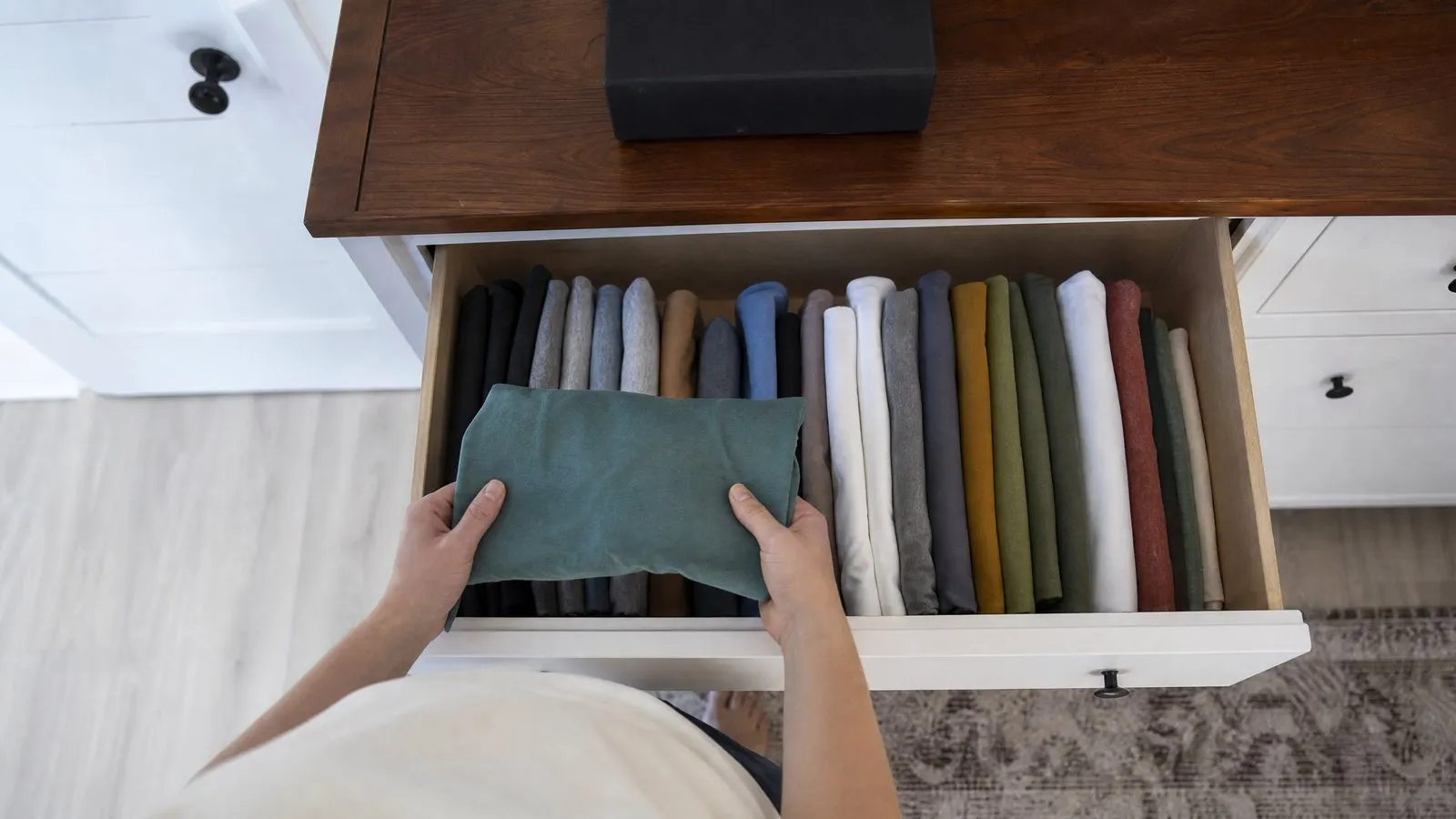
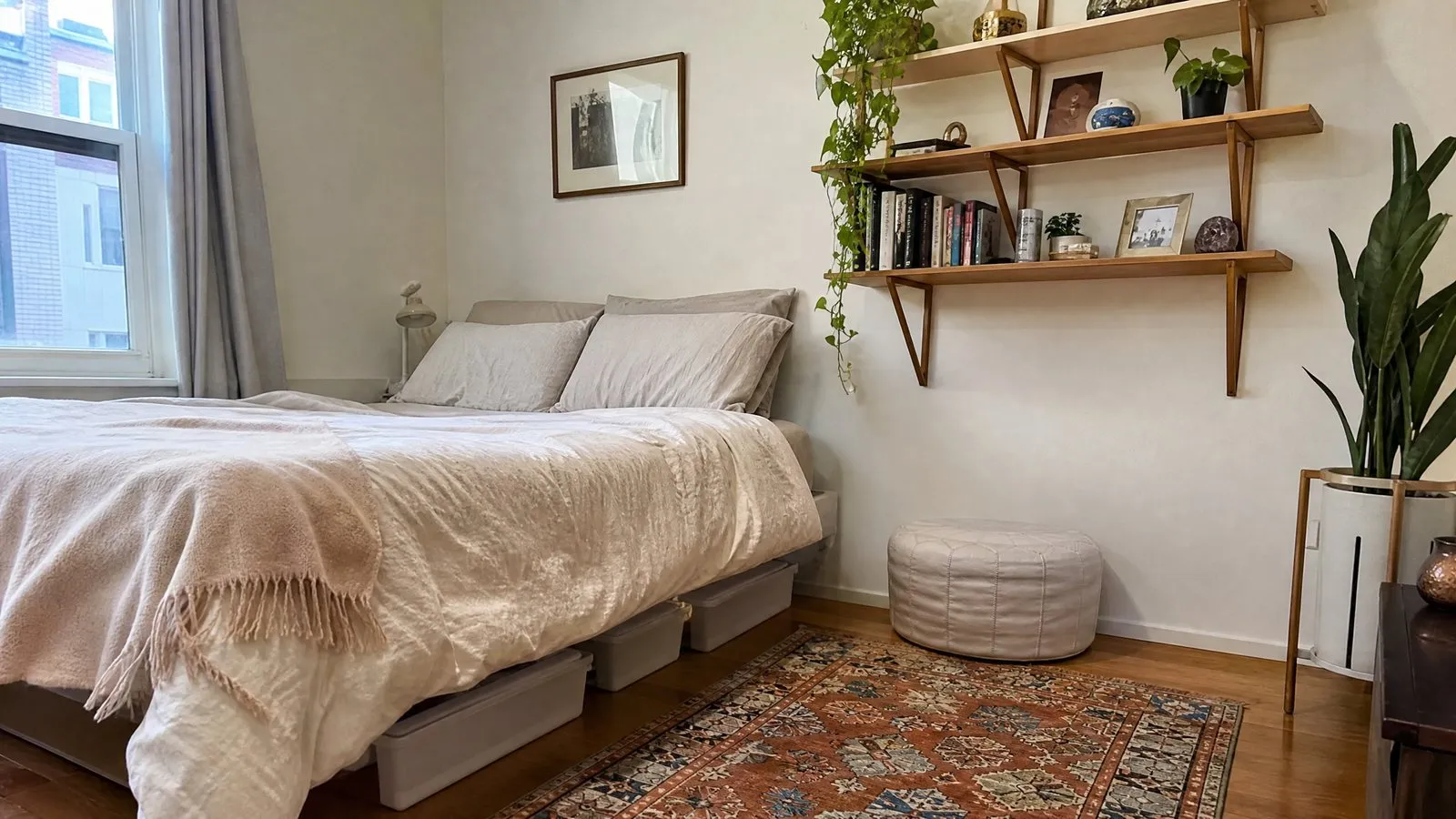
How to Organize a Small Closet (Fit More Without Buying Much)
Fit more into a small closet without spending much: edit first, switch to slim hangers, add a double-hang rod, use shelf dividers and over-door storage.
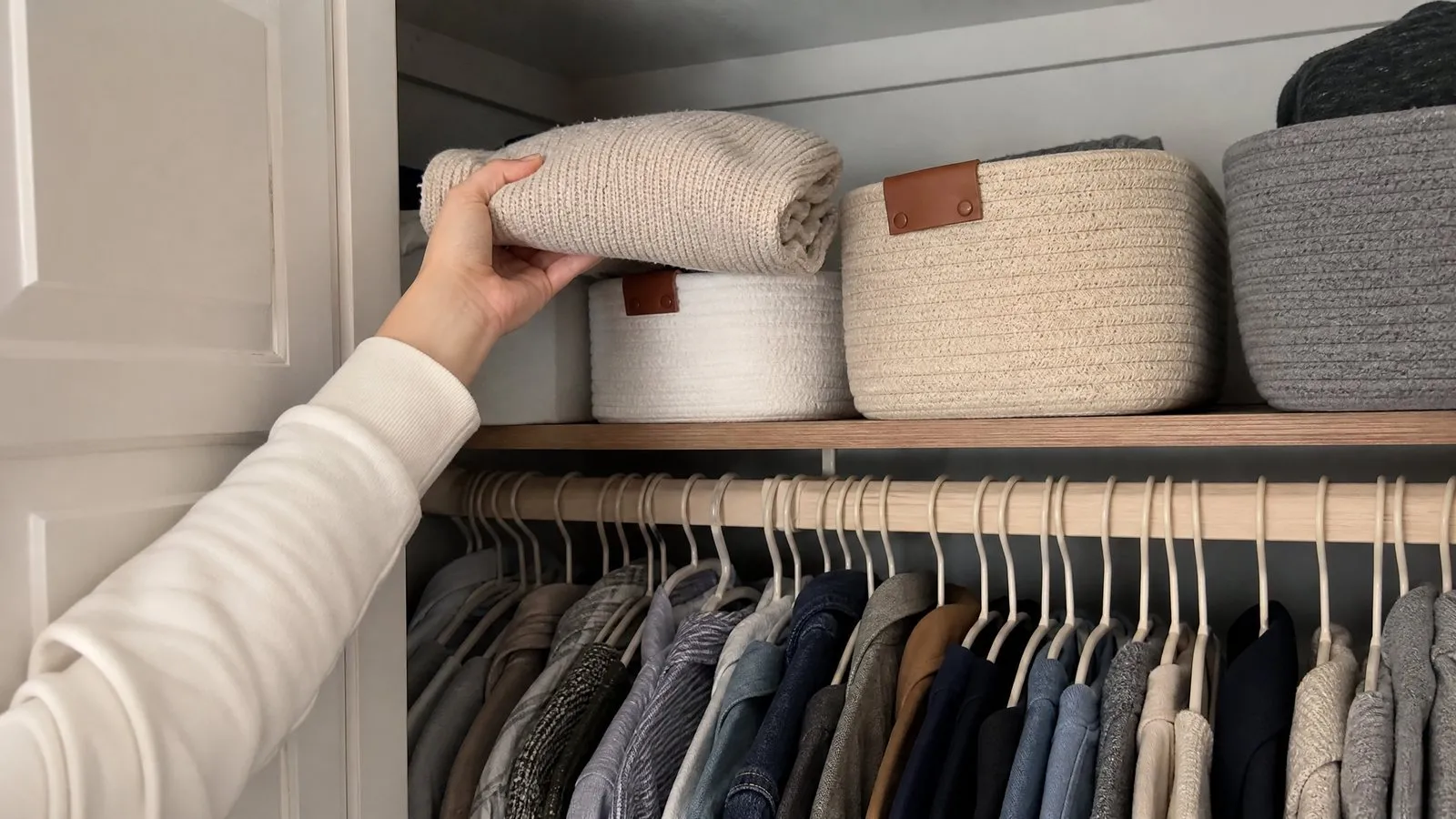
The fastest way to fit more into a small closet is to take everything out, keep only what you wear, hang it all on matching slim hangers, and add a second rod underneath your shirts. Those four moves alone usually free up a third of the space, and none of them cost much. Below is the full plan, step by step, so you can finish most of it in an afternoon.
Start by editing, not buying
Before you spend a cent on organizers, empty the closet. You can’t see how much space you actually have until the floor and rods are clear. Pull everything onto the bed, and sort into four piles: keep, donate, repair, and toss.
Be honest about what you reach for. A good rule of thumb: if you haven’t worn it in a year and it’s not seasonal or sentimental, it goes. Clothes that don’t fit, itch, or need repairs you’ll never make are taking up prime space.
If the pile on the bed feels paralyzing, that’s normal. Work in 15-minute bursts and decide item by item. Our guide on how to declutter when you’re overwhelmed walks through a calmer approach if you get stuck.
A quick editing pass usually removes 20 to 40 percent of what was crammed in there. That’s free space you just created.
Time: 30 to 90 minutes depending on closet size.
What to do with the “donate” pile
Bag it immediately and put it by the door, or straight in the car. The longer a donate bag sits open, the more likely things creep back onto hangers. More on keeping a permanent donate bag below.
Switch to matching slim hangers
This is the single highest-impact upgrade. Thin, flocked (velvet-covered) or slim plastic hangers take up far less rod space than chunky plastic or wooden ones, and clothes don’t slide off them.
Measure your rod and count your hangers before buying. In a typical closet, swapping bulky hangers for slim ones fits roughly 30 to 50 percent more garments on the same rod.
Matching hangers do two useful things:
- Save width. Each one is a fraction of an inch instead of an inch or more.
- Make the closet look calm. Everything hangs at the same height, so your eye sees order instead of clutter.
You don’t need the most expensive ones. Basic flocked hangers are cheap in multipacks. Keep a few sturdy hangers for heavy coats, which can stretch thin ones.
Honest note: Slim hangers aren’t great for heavy wool coats or structured blazers. Use wide or padded hangers for those, and reserve slim ones for shirts, blouses, dresses, and pants.
Add a double-hang rod
Look at the space under your hanging shirts. If there’s more than about 30 inches (75 cm) of empty air below them, you’re wasting half your rod space.
A double-hang rod fixes this. It’s a second bar that hangs from your existing rod on adjustable straps or hooks, giving you two levels of hanging. Shirts, folded pants, and skirts go up top and bottom; longer items hang elsewhere.
How to set it up:
- Measure the height from your rod down to the shelf or floor.
- Group your short items (shirts, folded trousers) on one side of the closet.
- Hang the second rod under that section, leaving the other side for dresses and long coats.
- Aim for about 40 inches (100 cm) for the top section and 40 inches for the bottom, adjusting to your clothes.
No-drill hanging rods are ideal for renters because they clip onto the existing bar and leave no marks. They cost a few dollars and hold a surprising amount.
Use the shelf above the rod
Most closets have a shelf on top that becomes a jumble of bags, boxes, and “I’ll deal with it later.” Divide it and it becomes real storage.
Shelf dividers
Shelf dividers are simple metal or acrylic brackets that slide onto the shelf and keep stacks upright. They stop your folded sweaters and bags from toppling into each other. If you fold tall stacks of knits or jeans up top, dividers keep each stack separate and easy to pull from.
Bins and baskets for the top shelf
Use labeled bins for things you don’t reach daily: off-season items, spare bedding, hats, bags. A few tips:
- Choose bins that match the shelf depth so nothing hangs over the edge.
- Keep heavy items at waist height or lower, not overhead.
- Soft fabric bins are light and won’t hurt if they slip; use them above head height instead of hard boxes.
Safety note: Don’t stack heavy or hard items on a high shelf above where you stand. Store those low. If you need a step stool to reach the shelf, keep one nearby rather than climbing on furniture.
Folding well makes the shelf hold more. Our guide on how to fold clothes to save drawer space works just as well for shelf stacks and bins.
Make use of the back of the door
The inside of the closet door (or the bedroom door) is free vertical storage most people ignore. Over-the-door organizers hook over the top of the door and need no tools, which makes them renter-friendly.
Good uses for over-door storage:
- Clear shoe pockets for shoes, or repurposed for scarves, belts, socks, small bags, and accessories.
- A hook rack for robes, tomorrow’s outfit, or a tote bag.
- A narrow hanging organizer for folded items you want visible.
Choose an organizer sized to your door, and check it clears the frame so the door still closes. If the door rubs, trim the top hooks’ reach or switch to adhesive hooks lower down.
For more ideas that work in rentals without damage, see our small apartment storage ideas.
Work the floor without creating a pile
The closet floor turns into a dumping ground fast. Give it a job instead.
- Shoe racks or a low shelf keep pairs off the floor and visible. A two-tier rack doubles capacity.
- A single bin or two can hold laundry, shoes, or bulky items — but cap it at what fits inside, not an overflowing heap.
- Under-shelf space can take a slim set of drawers for underwear, socks, or workout clothes, freeing up your dresser.
The goal is that you can see the floor. If you can, the closet reads as organized even when it’s full.
Group clothes so you can find things
Once everything’s hung, spend ten minutes grouping. It costs nothing and saves time every morning.
A simple order that works:
- By type: shirts together, pants together, dresses together.
- Then by color within each type, light to dark.
- Keep everyday items at the easiest-to-reach spot; move occasion wear to the ends.
This “home for everything” approach is what keeps a closet tidy long term, the same principle behind 10 daily habits that keep a home clean.
Swap clothes by season
If your closet is small, there’s no reason to keep winter coats front and center in July. Seasonal swaps can halve what you’re storing at any one time.
How to do a swap in about 30 minutes:
- Twice a year (spring and fall), pull the off-season clothes.
- Clean them before storing — moths and stains both love dirty fabric.
- Pack them into labeled bins or under-bed bags.
- Store them up high, under the bed, or in another room.
- Bring the in-season clothes into the main closet.
Storage tips that prevent damage:
- Make sure everything is fully dry before sealing it away, or you risk mildew.
- Use breathable cotton garment bags for delicate items rather than plastic, which can trap moisture.
- Add cedar blocks or lavender sachets instead of mothballs if you have kids or pets, since mothballs are a pesticide and should be used strictly per the label.
Here’s a rough plan for what to keep out versus store:
| Season out | Keep in closet | Store away |
|---|---|---|
| Spring/Summer | T-shirts, shorts, dresses, sandals, light layers | Heavy coats, wool sweaters, boots, thermals |
| Fall/Winter | Sweaters, coats, boots, long pants | Shorts, swimwear, sandals, summer dresses |
| Year-round | Jeans, basics, work clothes, a few layering pieces | Occasion wear, rarely-worn items |
Keep a donate bag in the closet
This is the habit that keeps your closet from filling back up. Hang a spare bag or keep a basket in a bottom corner, labeled “donate.”
When you try something on and it doesn’t fit, or you realize you never wear it, drop it straight in. No sorting session required. When the bag is full, take it to a donation point and hang a fresh one.
It turns decluttering from a dreaded big project into a background habit. Most people find the bag fills faster than they expect.
Quick-start plan for one afternoon
If you want a schedule, here’s the whole project in order:
| Step | Task | Time |
|---|---|---|
| 1 | Empty the closet, sort into keep/donate/repair/toss | 30–90 min |
| 2 | Wipe down the empty shelves and rod | 10 min |
| 3 | Swap to matching slim hangers | 20 min |
| 4 | Install a double-hang rod under short items | 15 min |
| 5 | Add shelf dividers and bins up top | 15 min |
| 6 | Hang an over-door organizer | 10 min |
| 7 | Set up floor shoes/bins, group clothes | 20 min |
| 8 | Bag the donate pile, hang a fresh donate bag | 5 min |
While the closet is empty, it’s worth a quick wipe-down — it’s the easiest time you’ll ever have to reach the corners. If you’re doing a bigger reset, our deep cleaning checklist covers the bedroom too.
What not to bother with
A few things small-closet owners overspend on:
- Matching luxury bins everywhere. Mismatched bins you already own work fine behind a closed door.
- Vacuum compression bags for everything. They’re useful for bulky bedding, but they crease clothes and can damage delicate fabrics over time.
- A full custom closet system, if you rent. No-drill rods, tension solutions, and over-door organizers do most of the job for a fraction of the cost and leave no damage.
Spend your money on slim hangers and a second rod first. Those two fix the real problem — wasted vertical and rod space — better than anything else.
FAQ
How many slim hangers do I need?
Count your current hanging clothes and add about 10 percent for new items. For a typical single closet, 40 to 60 hangers is common. Buy in multipacks, and keep a few sturdy wide hangers for heavy coats and blazers.
Will a no-drill double-hang rod hold up?
Yes, for normal clothing loads. These rods clip or strap onto your existing bar and typically hold shirts, blouses, and folded pants without issue. Don’t load them with heavy winter coats — hang those on the main rod instead.
How do I stop the closet from getting cluttered again?
Keep a donate bag inside the closet and drop in anything that doesn’t fit or you don’t wear, the moment you notice. Do a quick five-minute tidy when you put laundry away, and group clothes by type so everything has a clear home.
What’s the best way to store off-season clothes in a small place?
Clean them first, make sure they’re completely dry, and pack them in labeled bins under the bed or on the top shelf. Use breathable cotton bags for delicates, and add cedar blocks rather than mothballs if you have children or pets.
Can I organize a shared closet the same way?
Yes. Split the rod and shelf clearly between people, give each person their own section and bins, and use the double-hang rod on one side so two people get equal hanging space. A labeled donate bag per person keeps it fair and tidy.