10 Daily Habits That Keep a Home Clean Without Cleaning Days
Ten simple daily habits that keep your home clean without marathon cleaning days, plus honest tips on making each one stick for good.
The fastest way to stop losing weekends to cleaning is to never let the mess build up in the first place. Ten small habits, most taking under two minutes, keep a home steadily tidy so you rarely need a big catch-up session. Here they are, with exactly how to do each one and how to make them automatic.
None of these require special products or a spotless-home personality. They work because they interrupt mess at the moment it’s created, when it’s still a 30-second job instead of a 30-minute one.
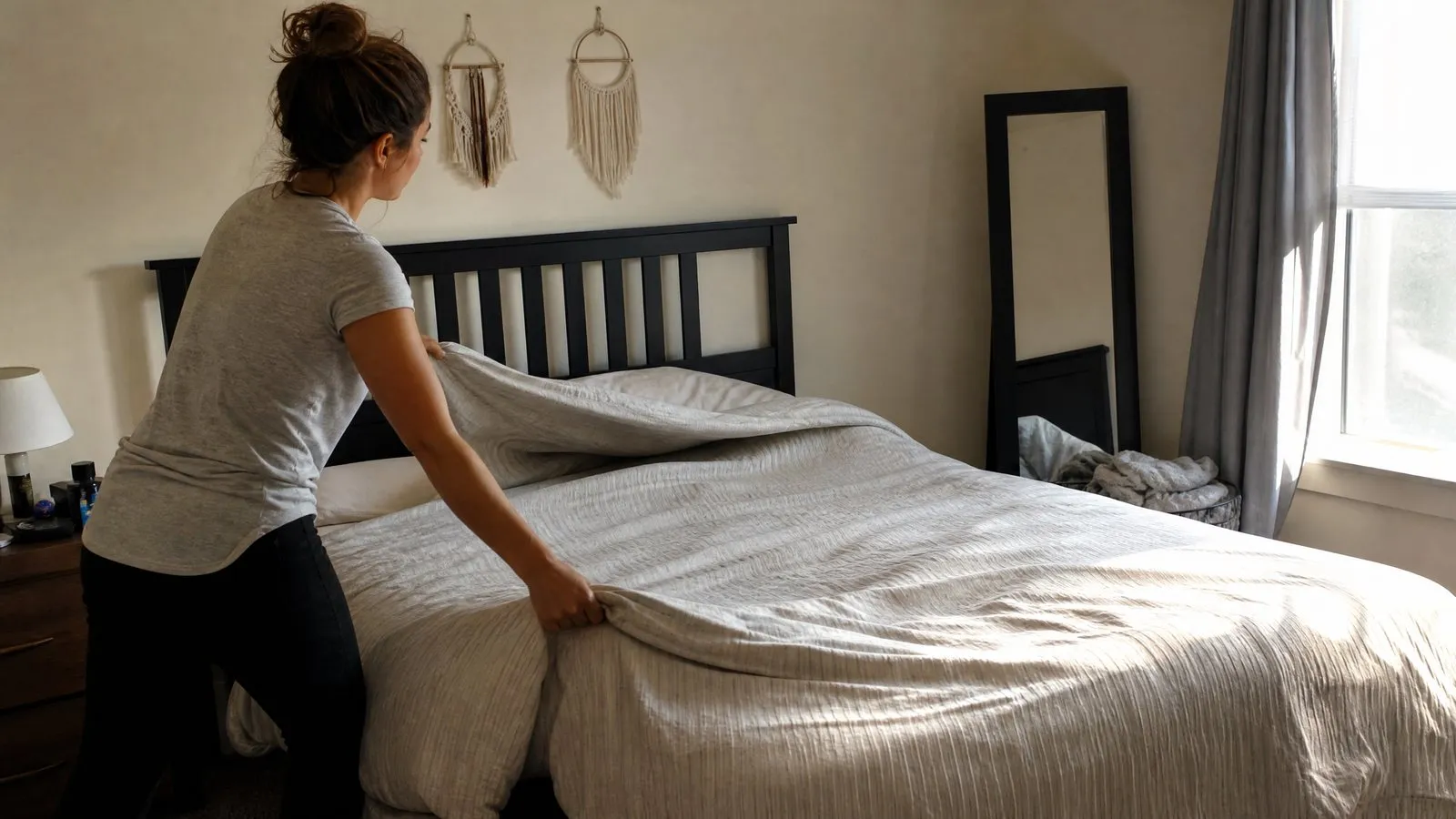
1. Make the bed (about 2 minutes)
Making the bed is the quickest way to make a whole room look cleaner for almost no effort. A smooth bed hides the fact that there’s a sweater on the chair, and it sets a tidy tone for the rest of the day.
Keep it simple: pull up the sheet, straighten the duvet or comforter, and square off the pillows. You don’t need hospital corners. If a full duvet feels fussy, switch to a single duvet with a cover you can shake flat in one motion.
If you share the bed, whoever gets up second does it. If you can’t face it, at least pull the covers up flat.
2. Use the one-touch rule
The one-touch rule means you deal with an item once instead of setting it down to deal with “later.” Later is how clutter is born.
In practice:
- Mail comes in; you recycle the junk and put the bill where bills live, right then.
- Your coat comes off; it goes on the hook, not the back of a chair.
- You finish a drink; the glass goes to the sink or dishwasher, not the coffee table.
You won’t catch every item, and that’s fine. Even following this half the time dramatically cuts the pile of stray things. The trick is to notice the moment you’re about to put something down “just for now.”
3. Do the dishes before bed
Going to bed with a clean sink changes your whole morning. You wake up to a kitchen that’s ready instead of one that greets you with last night’s dinner.
Load the dishwasher and run it overnight, or wash by hand and leave the rack to drain. If you only do one thing, don’t leave pots to “soak” — soaking is usually just procrastination with a water bill. A quick scrub while the pan is still warm takes less effort than scraping dried food in the morning.
A clean kitchen at night also matters for pests. The American Cleaning Institute and public health guidance both note that food residue left out overnight is what attracts ants and cockroaches. Wipe crumbs off the counter and sweep obvious bits off the floor.
For a fuller kitchen routine, see how to clean a kitchen properly.
4. Do a 10-minute evening reset
The evening reset is the single highest-value habit here. Set a timer for 10 minutes, put on a song or two, and move through the main rooms returning things to where they belong.
A reset is not cleaning — it’s resetting surfaces. You’re putting items away, not scrubbing. A typical loop looks like this:
- Living room: cushions straightened, blankets folded, cups collected, remotes in one spot.
- Kitchen: counters cleared and wiped, sink emptied.
- Entryway: shoes lined up, bags hung.
- Bathroom: quick wipe of the sink, towels straightened.
Ten minutes is usually enough for a small home. If you share the space, split the rooms — two people doing five minutes each clears a surprising amount. This habit is the backbone of a weekly cleaning schedule that takes 20 minutes a day, because it keeps the small stuff from ever becoming big stuff.
5. Wipe the sink after you use it
The bathroom sink collects toothpaste spit, splashes, and stray hairs within a day. Wiping it takes 20 seconds and keeps the whole bathroom feeling clean between proper cleans.
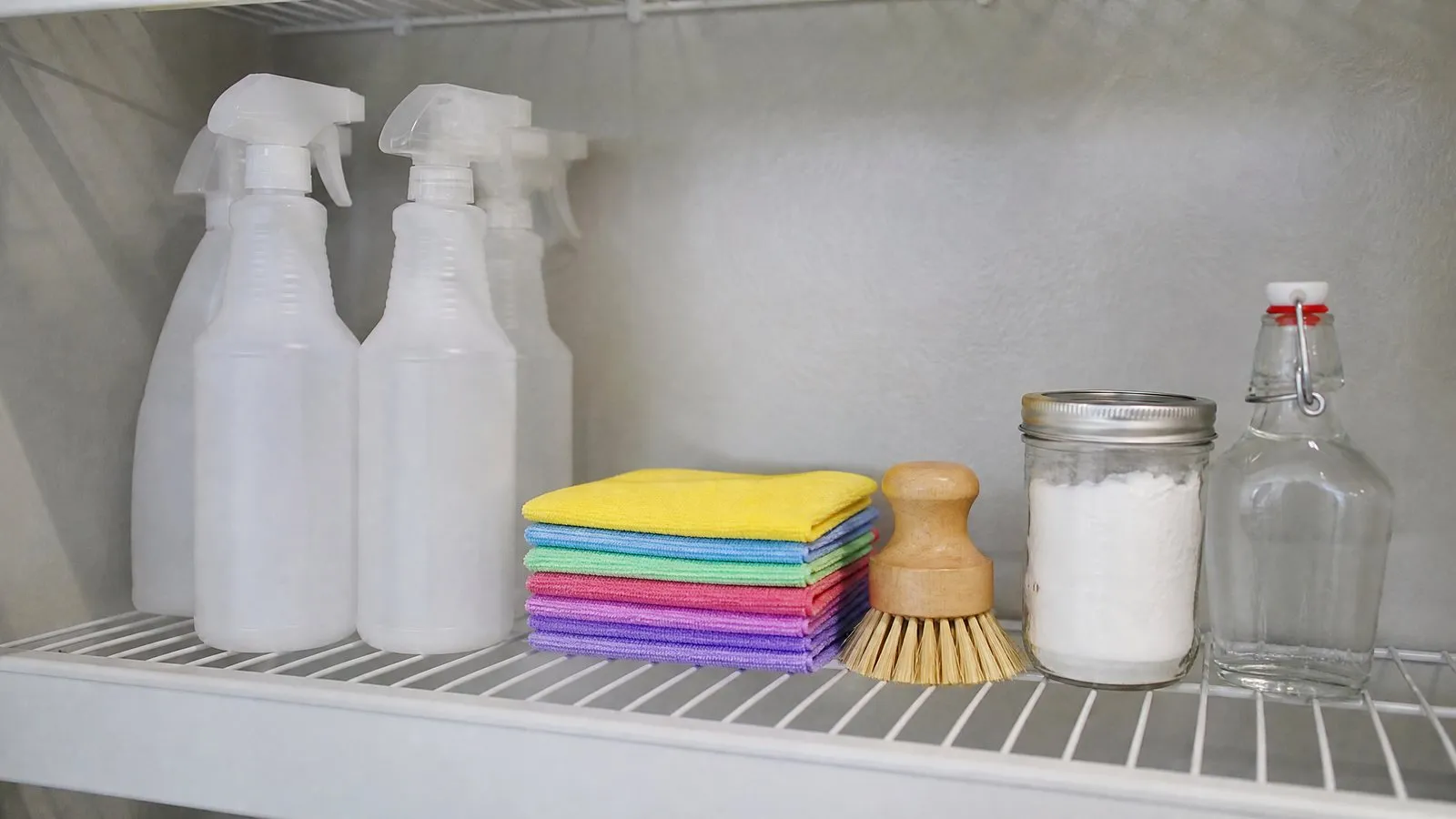
Keep a cloth or a stack of cheap flannels within reach. After you brush your teeth, give the basin and the tap a quick wipe. Do the same in the kitchen after washing up — a dry sink doesn’t grow water spots or that pink film (it’s actually a bacteria, Serratia marcescens) that shows up in damp bathrooms.
You don’t need a spray for this most of the time; a damp cloth handles daily residue. Save the disinfectant for when someone’s been ill. If you want to understand the difference, see cleaning vs disinfecting.
6. Set up a doorway drop zone
Most household clutter walks in through the front door: keys, mail, shoes, bags, parcels. A defined drop zone gives all of it a home so it stops landing on the kitchen counter.
You need very little:
- A hook or two for coats and bags.
- A small tray or bowl for keys and wallets.
- A mat or rack for shoes.
- A spot for incoming mail, ideally near the recycling.
Keep it small on purpose. A drop zone that’s too generous just becomes a bigger pile. If you’re short on floor space, go vertical with hooks and a narrow shelf — there are more ideas in small apartment storage ideas renters can use.
Taking shoes off at the door also keeps floors cleaner. Outdoor shoes track in dirt, pollen, and whatever’s on the pavement, so a no-shoes habit means less sweeping and mopping.
7. Run one load of laundry a day
Laundry becomes overwhelming when it’s a weekend event. One load a day — wash, dry, and crucially put away — keeps it from ever reaching mountain status.
“Put away” is the part people skip, and it’s why clean laundry ends up living in the basket. Build the fold-and-put-away into the same day as the wash. A single load folds in a few minutes, where a week’s worth feels like a chore you’ll avoid.
For small households, every day may be too much — adjust to every other day. The principle is the same: little and often beats one giant pile. Folding clothes compactly also makes putting them away faster; see how to fold clothes to save drawer space.
If laundry basics trip you up, start with how to do laundry: a beginner’s step-by-step guide.
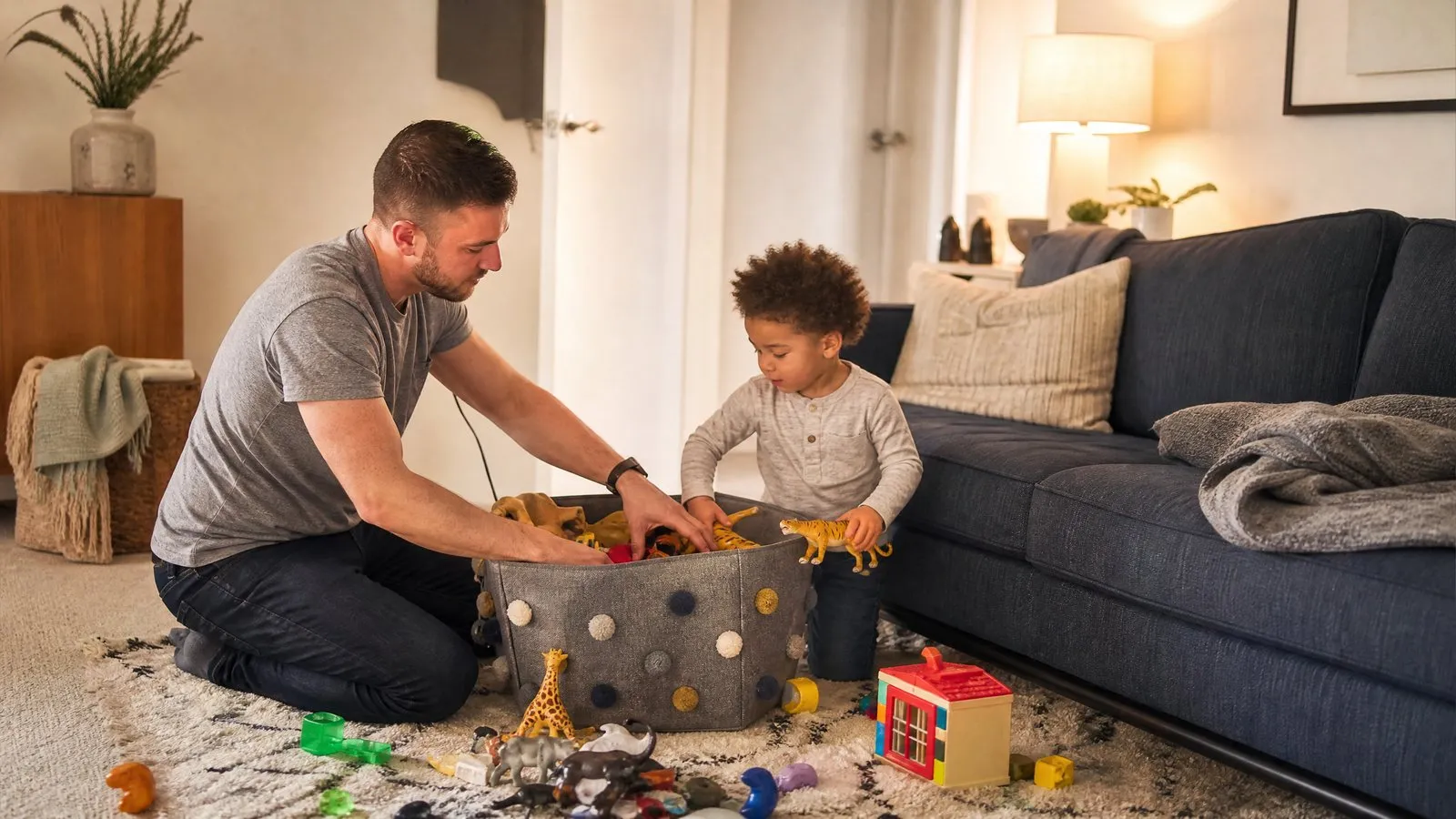
8. Keep a basket for stray items
Some things never make it back to their proper home in the moment — a toy, a phone charger, a sock from who-knows-where. A single catch-all basket stops these from scattering across every surface.
During your evening reset, toss stray items in the basket and empty it when you can. One rule keeps it working: it’s a holding spot, not storage. Empty it every day or two so it doesn’t become a clutter pile of its own.
With kids, a basket per person or per room can speed up the return trip. More on that in how to keep a home organized with kids.
If the real problem is that you have more stuff than homes for it, no habit will fully fix that — start with how to declutter when you’re overwhelmed.
9. Squeegee the shower after use
A quick squeegee after your shower is the easiest way to prevent soap scum, water spots, and mildew. Wet surfaces are what mold needs to grow, so drying the walls and door after each use removes the conditions it depends on.
Keep a squeegee hanging in the shower. Right after you finish, pull it down the glass, tiles, and any flat surfaces — it takes about 30 seconds. Crack the door or leave the curtain spread out so air circulates and things dry faster. A bathroom fan or open window helps too; run it for 15 to 20 minutes after showering.
This one habit saves you from the hardest bathroom job of all: scrubbing set-in scum and mildew. If you already have it, see how to get rid of mold and mildew in the shower. For everything else in the bathroom, there’s how to clean a bathroom top to bottom in 30 minutes.
10. Make the habits stick
Knowing the habits is easy; doing them on a tired Tuesday is the real challenge. These strategies are what actually make them automatic.
Attach each habit to something you already do. This is called habit stacking. “After I brush my teeth, I wipe the sink.” “After dinner, I start the dishwasher.” The existing routine becomes the reminder, so you’re not relying on willpower.
Start with one or two, not all ten. Pick the ones that would relieve the most daily friction — usually the evening reset and dishes before bed. Add another once the first ones feel automatic, which typically takes a couple of weeks.
Make it obvious. Keep the squeegee in the shower, the cloth by the sink, the basket in plain sight. A habit you can see is a habit you remember.
Aim for good enough, not perfect. A bed that’s pulled up roughly still counts. A reset that runs eight minutes still counts. Missing a day doesn’t undo your progress — just pick it back up the next day. Perfectionism is the fastest way to quit.
Lower the bar on bad days. On an exhausting day, do the two-minute version: clear the kitchen counter and pull the covers up. Keeping the habit alive in a tiny form beats dropping it entirely.
Here’s how the habits break down by time and payoff, so you can decide where to start:
| Habit | Time | Best moment | Biggest payoff |
|---|---|---|---|
| Make the bed | ~2 min | After getting up | Whole bedroom looks tidy |
| One-touch rule | Ongoing | All day | Stops clutter forming |
| Dishes before bed | 5–10 min | After dinner | Calm mornings, fewer pests |
| 10-minute reset | 10 min | Evening | Keeps all rooms in order |
| Wipe the sink | ~20 sec | After each use | No scum or water spots |
| Doorway drop zone | Setup once | At the door | Controls incoming clutter |
| One load of laundry | 5 min active | Daily | No weekend laundry pile |
| Catch-all basket | 1–2 min | During reset | Corrals stray items |
| Squeegee the shower | ~30 sec | After showering | Prevents mold and scum |
When life gets busy and the habits slip anyway, you can still reset the whole place with how to clean your whole home fast — but the better these habits get, the less you’ll need it.
FAQ
How long until these habits feel automatic?
For most people it takes two to four weeks of near-daily repetition before a habit stops feeling like effort. Start with one or two rather than all ten, and attach each new habit to something you already do so the routine itself becomes the reminder.
Do I still need a weekly cleaning routine if I do these daily?
Yes, but a much lighter one. Daily habits handle surface mess and clutter, but you’ll still need to clean floors, toilets, and tubs weekly and do occasional deeper tasks. These habits just make those sessions shorter and less dreaded — see our weekly cleaning schedule.
What if I live with people who won’t join in?
Focus on the habits you control, like your own evening reset and the shower squeegee, and set up shared systems that are easy for others — a visible drop zone, a catch-all basket, a “dishwasher runs after dinner” rule. People follow tidy systems more readily than tidy lectures.
I’m too tired in the evening for a reset. What now?
Do the two-minute version: clear and wipe the kitchen counter and start the dishwasher. That single move protects your morning and keeps the habit alive. You can also shift the reset to just after dinner, before you sit down, since it’s much harder to get up once you’ve settled.
Which habit should I start with if I only pick one?
The 10-minute evening reset. It touches every main room, prevents the pile-up that makes weekends disappear, and naturally pulls the other habits along with it — dishes, the basket, and straightening surfaces all happen inside it.