How to Do Laundry: A Beginner's Step-by-Step Guide
Learn how to do laundry step by step: sort clothes, check pockets, pick the right temperature and cycle, use less detergent, and dry without shrinking.
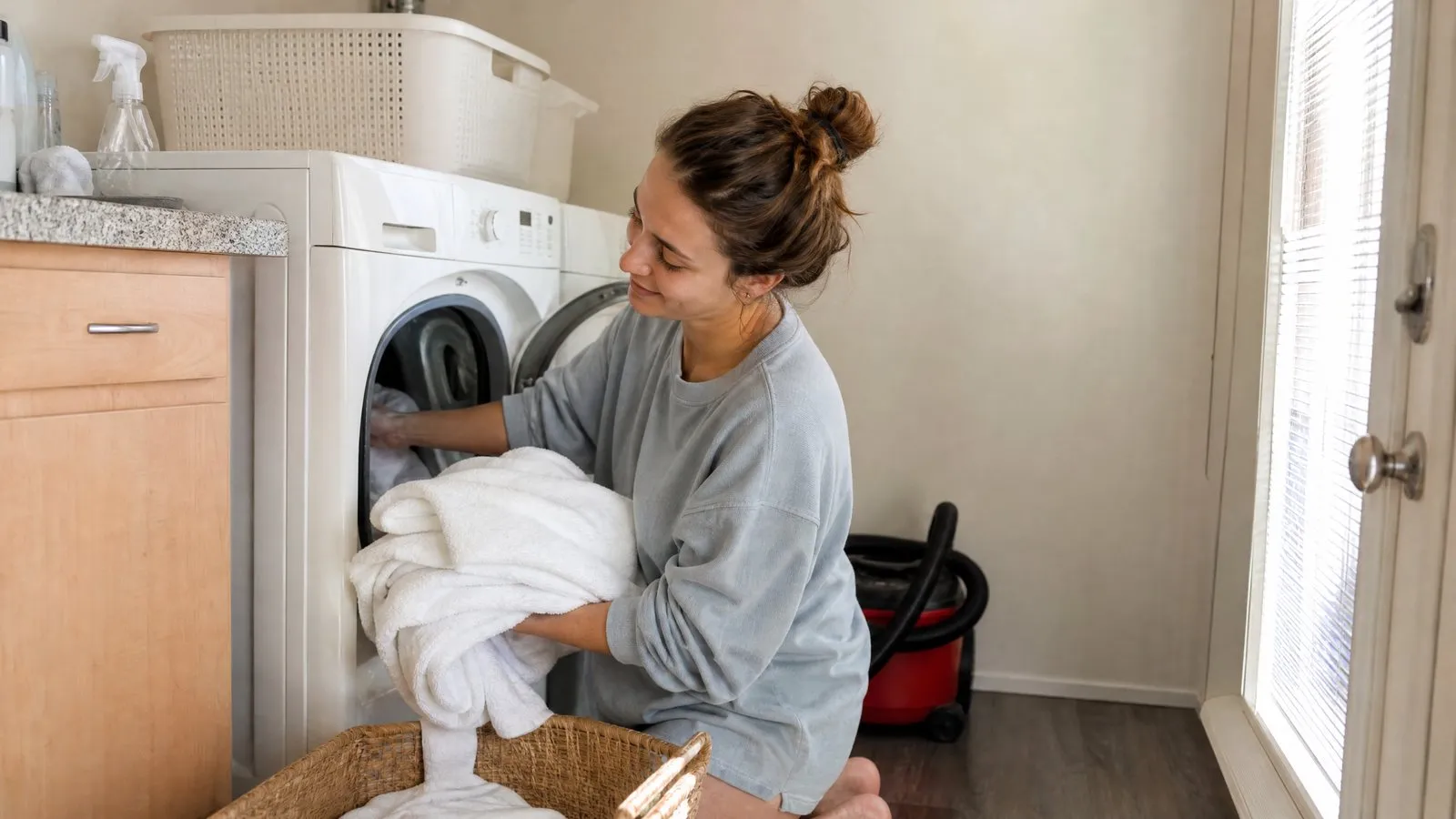
Doing laundry well comes down to five things: sort your clothes, empty the pockets, pick a water temperature and cycle that matches the fabric, use less detergent than you think, and dry on low heat (or air-dry the delicate stuff). Get those right and you’ll avoid shrunken sweaters, pink socks, and clothes that wear out fast.
Here’s exactly how to do it, from the hamper to the dryer.
Step 1: Sort your laundry (5 minutes)
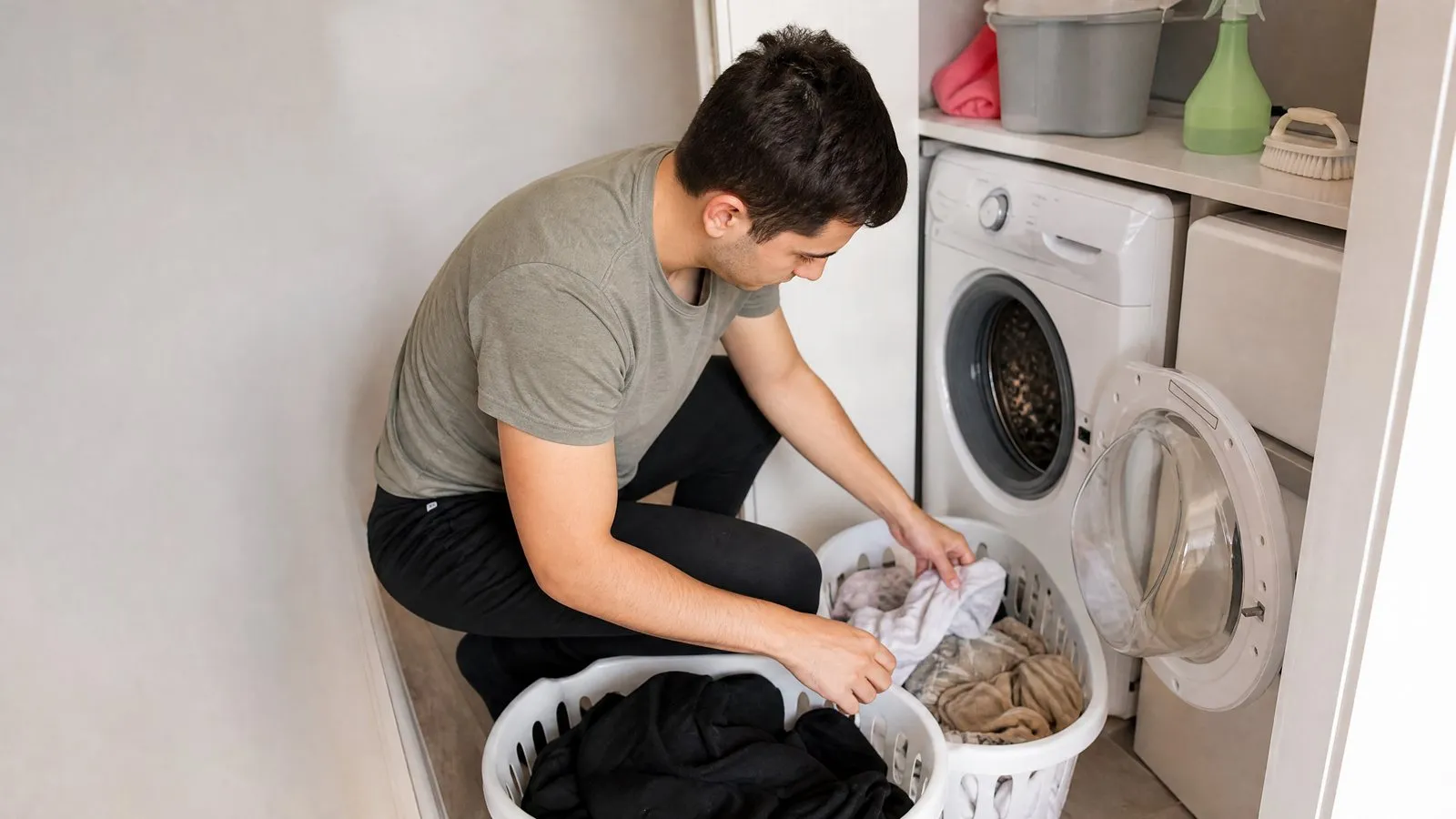
Sorting prevents the two most common laundry disasters: color bleeding and shrinking. You’re sorting by two things at once — color and fabric type.
Sort by color into three piles:
- Whites and light pastels — white tees, underwear, pale shirts, white towels.
- Darks — black, navy, dark gray, deep red, brown.
- Brights and mediums — mid-tone blues, greens, pinks, purples.
Then think about fabric and weight within each pile. Heavy items like jeans, towels, and sweatshirts should be washed separately from lightweight tees and underwear when you can. Heavy fabrics take longer to dry and can rough up or stretch lighter ones.
Pull out anything delicate or special:
- Bras, tights, lace, and anything labeled “hand wash” or “delicate.”
- Wool, silk, and cashmere.
- Items with a lot of embellishment (sequins, beading, prints that might crack).
Put delicates in a mesh laundry bag so they don’t snag or stretch.
If you’re short on space or time, you can combine darks and brights into one load on cold water — just keep bright reds and brand-new dark denim separate the first few washes, because they bleed the most.
A quick note on new clothes
New, deeply colored items — especially red, dark denim, and cheap fast-fashion dyes — often release dye in the first two or three washes. Wash them alone or with similar colors until the water runs clear.
Step 2: Check every pocket (2 minutes)
This step saves you money and headaches. Go through every pocket before anything goes in the machine.
- Tissues turn into a blizzard of white lint across a whole load.
- Pens can stain an entire drum.
- Coins, hair clips, and keys can damage the machine or your clothes.
- Phones and earbuds — self-explanatory.
- Lip balm and crayons melt and leave greasy stains everywhere.
While you’re at it, zip up zippers and fasten hooks (bra hooks especially) so they don’t catch on other fabrics. Unbutton shirts so the buttons don’t pull. Turn dark jeans and printed tees inside out to protect the color and the print.
Step 3: Treat stains before washing
A normal wash often won’t remove a set-in stain, and the heat of the dryer can lock it in permanently. Deal with spots before they go in.
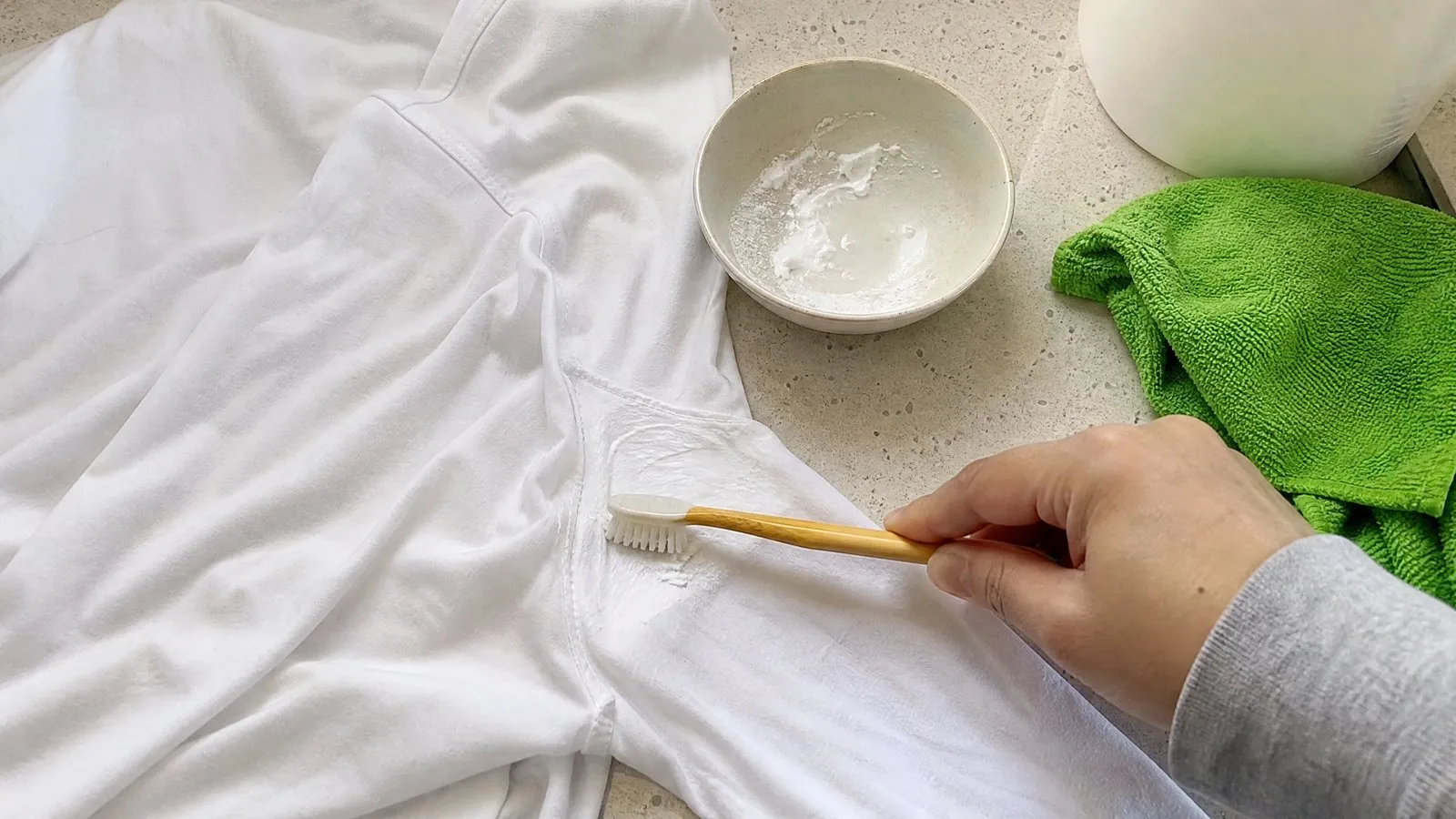
For most fresh stains, dab a little liquid detergent or a stain remover directly on the mark, gently rub it in, and let it sit 5 to 10 minutes before washing. Don’t scrub hard — that can push the stain deeper or damage the weave.
Different stains need different treatment (grease, blood, and wine all behave differently). For a full rundown, see our guide on how to remove common stains, and for the stubborn underarm ones, how to remove yellow sweat stains from shirts.
Step 4: Choose water temperature
Water temperature is where a lot of damage happens. The rule of thumb: when in doubt, use cold. Cold water is gentler on colors, uses less energy, and handles most everyday dirt just fine. The American Cleaning Institute notes that modern detergents are designed to work well in cold water.
| Temperature | Best for | Watch out for |
|---|---|---|
| Cold (60–80°F / 15–27°C) | Darks, brights, delicates, most everyday clothes, anything that might shrink or bleed | Won’t dissolve some powder detergents fully — use liquid |
| Warm (85–105°F / 30–40°C) | Everyday whites, mixed loads, moderately dirty clothes, synthetics | Can fade colors over time |
| Hot (above 120°F / 50°C) | White towels, bedding, heavily soiled items, cloth diapers, anything you need to sanitize | Shrinks cotton and wool, sets some stains, fades colors fast |
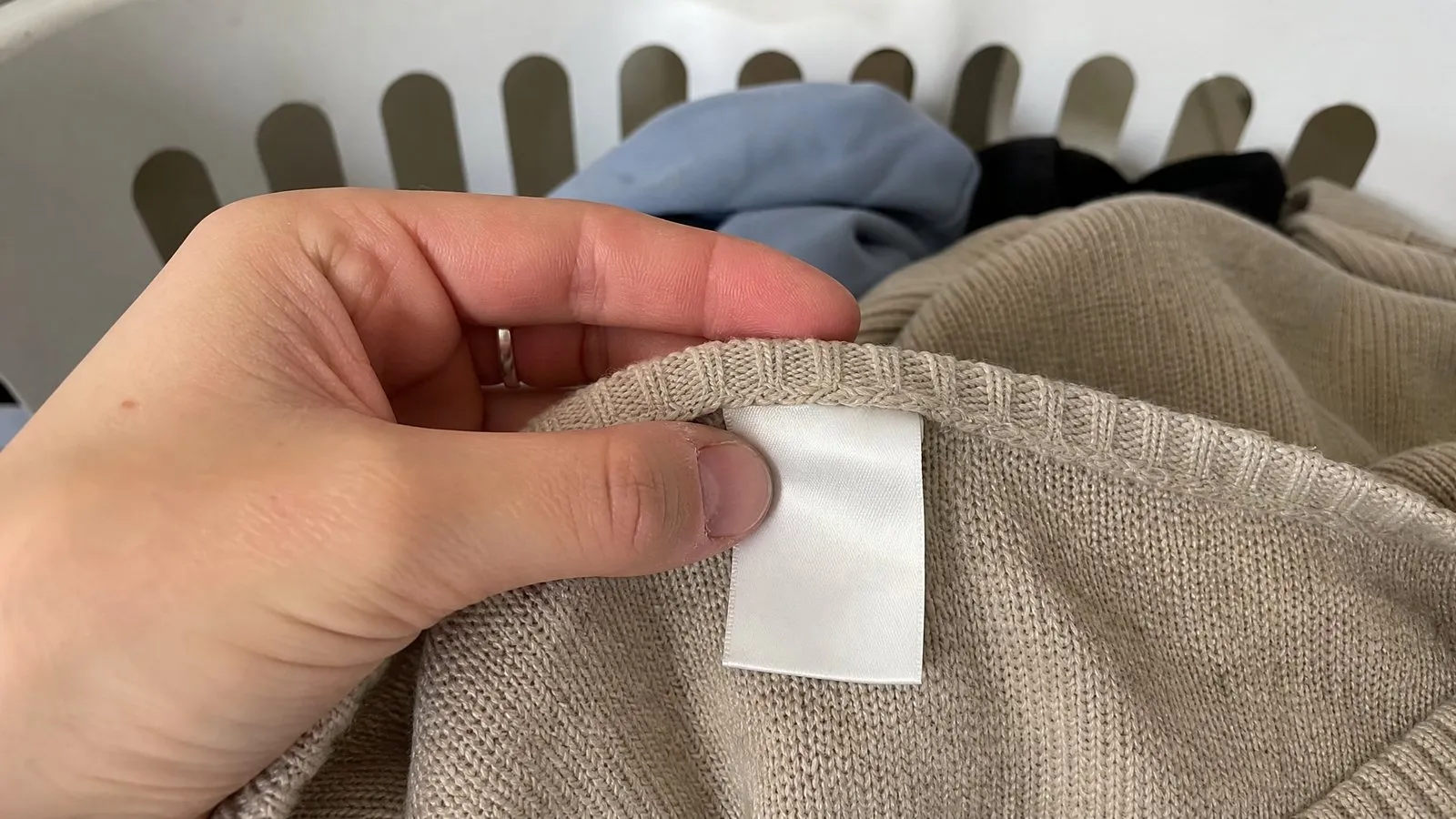
Always check the care label first — it overrides any general rule. If you’re unsure what the symbols mean, we break them down in how to read laundry care labels.
Step 5: Pick the cycle
Most machines have more settings than you’ll ever need. These three cover almost everything:
- Normal / Regular — your default for everyday cottons, tees, jeans, towels, and bedding. It uses faster agitation and a high spin.
- Delicate / Gentle — slower movement and a gentler spin for lingerie, lace, lightweight knits, and anything fragile.
- Permanent Press — a middle setting for synthetics and work clothes; it reduces wrinkles with a cooler rinse and slower spin.
Other handy ones:
- Quick / Express wash — good for small, lightly worn loads in 15–30 minutes. Not for heavily soiled items.
- Heavy Duty — more agitation for muddy, greasy, or very dirty work clothes.
- Bulky / Bedding — for comforters and large items.
If your machine has a spin-speed option, a higher spin wrings out more water (clothes dry faster) but creates more wrinkles and is rougher on fabric. Use a lower spin for delicates.
Step 6: Add detergent — less than you think
This is the single most common laundry mistake: using too much detergent. More soap does not mean cleaner clothes. Excess detergent doesn’t rinse out fully, leaving a residue that makes clothes stiff, dull, and itchy, and it builds up inside the machine.
The cap on a liquid detergent bottle is usually marked with lines that are far higher than most loads need. For a normal load, you typically need about 2 tablespoons of liquid detergent — roughly the bottom fill line or less. For a small or lightly soiled load, use even less.
A few pointers:
- Follow the lowest dose on the label, then adjust down if your clothes feel stiff or smell soapy after washing.
- High-efficiency (HE) machines (most front-loaders and many newer top-loaders) use less water and need HE detergent and a smaller dose. Too much creates excess suds that the machine struggles to rinse.
- Pods and sheets are pre-measured, which prevents overdosing — but they’re a fixed amount, so for a tiny load, half a pod isn’t an option. Store pods well out of reach of children; America’s Poison Centers warns they’re a serious poisoning risk because kids mistake them for candy. See how to store cleaning supplies safely with young children.
- Hard water needs a bit more detergent than soft water to work well. If you have very soft water, use the minimum.
Where to put it: In a front-loader, detergent goes in the dispenser drawer. In a top-loader without a dispenser, add detergent to the water before the clothes. For pods, drop them in the empty drum first, then add clothes on top.
Fabric softener and other add-ins
Fabric softener is optional. It can coat fibers and reduce the absorbency of towels and the wicking of athletic wear, so skip it on those. If you want softer towels without softener, see how to wash towels so they stay soft and fresh.
Safety note: Never mix chlorine bleach with other cleaners, especially anything containing ammonia or acids — the combination releases toxic gas. Add bleach only to the designated dispenser or diluted per the label, never straight onto clothes. More on this in cleaning products you should never mix.
Step 7: Don’t overload the machine
Clothes need room to move so water and detergent can circulate. A good guide: fill the drum about three-quarters full, and you should be able to fit a flat hand into the space at the top. Overstuffing leaves clothes dingy and poorly rinsed; it also strains the machine.
If you’re washing one large item like a comforter, balance the drum so it doesn’t thump during the spin.
Step 8: Drying — where clothes shrink
The dryer is where most shrinking happens, because heat is what shrinks natural fibers like cotton and wool. The safest approach: use low or medium heat, and take clothes out slightly damp.
Dryer settings
| Setting | Use for |
|---|---|
| Low heat / Delicate | Synthetics, activewear, anything with elastic, lightweight knits, items you want to protect |
| Medium heat / Permanent Press | Everyday mixed loads, most clothes |
| High heat | Towels, cotton sheets, sturdy cottons you don’t mind shrinking slightly |
| Air / No heat | Items that can tumble but shouldn’t get warm, like some rubber-backed items |
Clean the lint filter every single load. A clogged filter makes drying slower and is a genuine fire hazard — the US Fire Administration identifies lint buildup as a leading cause of dryer fires. Also check the outside vent occasionally for blockages.
What to air-dry instead
Some things should never go in a hot dryer. Air-drying them keeps their shape and makes them last far longer:
- Wool, cashmere, and other knits — the dryer shrinks and felts them. Lay flat to dry so they keep their shape; hanging stretches them out.
- Anything with elastic or spandex — bras, swimwear, activewear, tights. Heat breaks down the stretch.
- Silk and other delicates.
- Items labeled “line dry” or “dry flat.”
- Jeans you want to keep their size and color — air-drying reduces shrinking and fading.
For air-drying in a small space, a folding rack over the bathtub or a retractable line works. Just keep damp laundry out of closed, humid rooms, which encourages mildew — relevant if you already battle bathroom moisture, as in how to get rid of mold and mildew in the shower.
Step 9: Fold or hang promptly
Taking clothes out as soon as the dryer stops — or when air-dried items are dry — prevents wrinkles and that stale smell that forces a rewash. Hang shirts and dresses right away; fold the rest within a few minutes while they’re still warm.
For folding methods that save drawer space, see how to fold clothes to save drawer space.
How to avoid the four most common mistakes
- Color bleeding: Sort by color, wash new and red items separately, and use cold water. If something bleeds onto other clothes, rewash the affected items immediately — before they dry — with a color-safe approach.
- Shrinking: Use cold or warm water and low dryer heat. Air-dry wool, knits, and anything with stretch.
- Stiff, dull clothes: You’re using too much detergent. Cut the dose.
- Clothes still smell: They sat wet too long, the machine needs cleaning, or you overloaded the drum. Run an empty hot cycle to freshen the machine — see how to clean a washing machine.
A realistic weekly rhythm
For most small households, one to three loads a week keeps things manageable: one lights, one darks, and one towels/bedding. Spreading laundry across the week beats a giant weekend pile. If you want to fold laundry into a broader routine, our weekly cleaning schedule that takes 20 minutes a day shows how to slot it in without losing a whole day.
FAQ
Can I wash everything together on cold to save time?
Mostly yes, with two exceptions. Keep brand-new red and dark denim items separate for the first few washes because they bleed, and pull out anything labeled hand-wash or delicate. For everything else, a cold wash together is fine for lightly soiled everyday clothes — just expect slightly faster fading of darks over time.
How much detergent should I actually use?
For a normal load, about 2 tablespoons of liquid detergent, which is usually the lowest line on the cap or less. HE machines and small loads need even less. If clothes feel stiff or smell soapy after washing, you’re using too much — cut back.
Why do my clothes shrink even on a normal wash?
Heat is the main cause, and most shrinking happens in the dryer rather than the wash. Switch natural fibers like cotton and wool to cold water and low dryer heat, and air-dry knits and anything with elastic. Take items out of the dryer while slightly damp.
Is hot water necessary to get clothes clean?
Not for everyday clothes. The American Cleaning Institute notes modern detergents work well in cold water. Save hot water for white towels, bedding, heavily soiled items, and anything you need to sanitize — and always check the care label first.
What’s the safest way to use laundry pods around kids?
Store them in their original container, closed, and up high out of sight and reach — never in a low cupboard or on the machine. America’s Poison Centers warns children mistake colorful pods for candy. If a child swallows or bites one, call your local poison center or emergency services right away.
A note on health information: Always read and follow the label on any cleaning product, ventilate the room, and never mix products unless the label says it is safe. Test any method on a hidden spot first. If someone swallows a cleaning product or has trouble breathing after exposure, call Poison Control or emergency services right away.