How to Wash Towels So They Stay Soft and Fresh
Keep towels soft and fresh: skip fabric softener, wash at the right temperature, don't overload, dry fully, and fix musty smells fast.
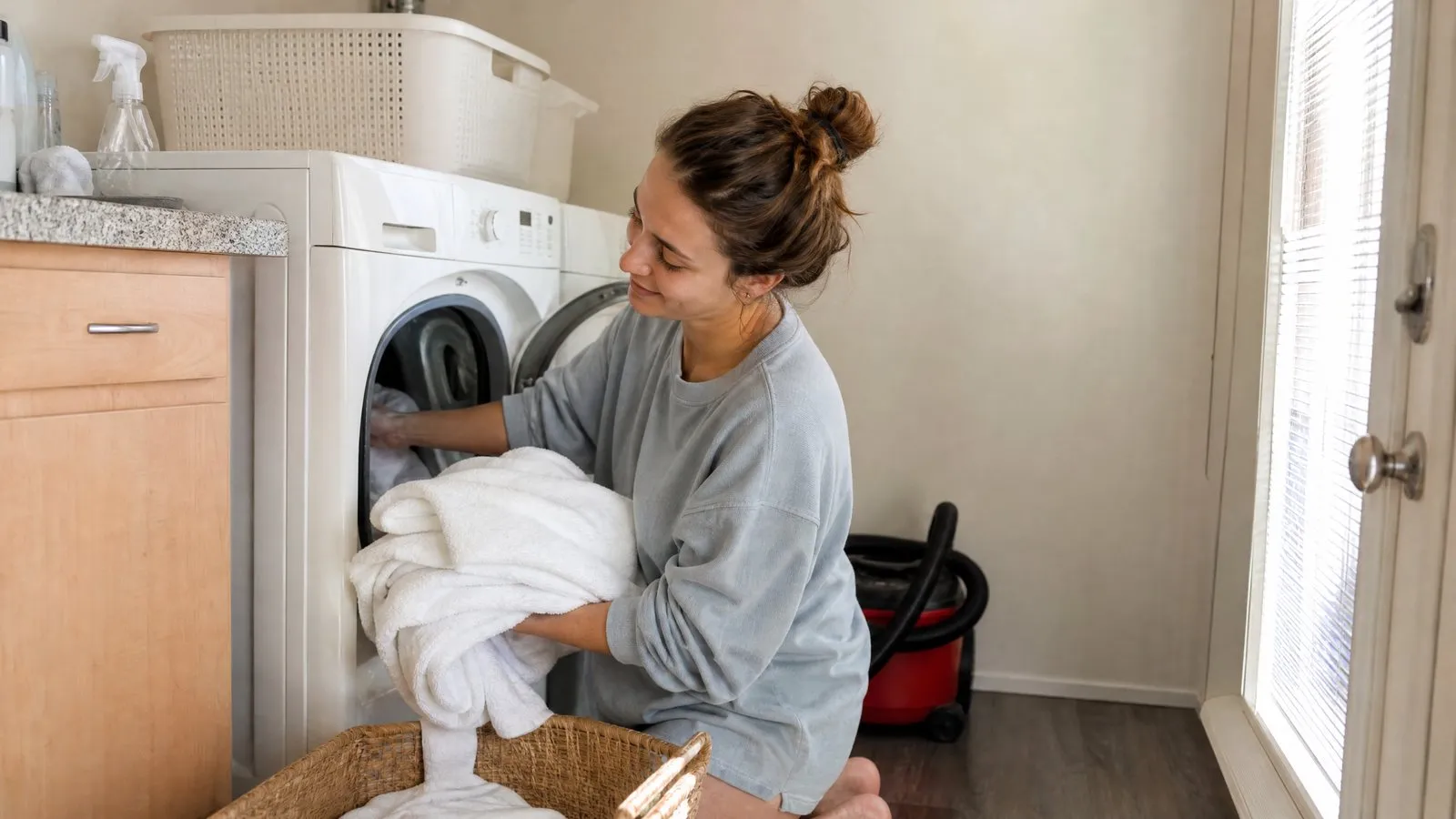
Soft, fresh towels come down to five things: skip the fabric softener, use the right amount of detergent, don’t overload the machine, wash warm enough to clean them, and dry them all the way through. Get those right and ordinary towels stay plush and smell clean for years — no special products needed.
Here’s exactly how to do it, plus how to rescue towels that have gone stiff, flat, or musty.
Why fabric softener is the problem, not the fix
This is the one that surprises people. Liquid fabric softener and dryer sheets make towels feel soft at first, but they work by coating fibers with a waxy, oily film. On a towel, that’s the opposite of what you want.
Towels are designed to pull water off your skin. That waxy coating builds up over time and makes the fibers repel water instead of soaking it up. After a few months of regular softener use, you get a towel that feels plush in the cupboard but smears water around instead of drying you, and tends to hold odors because moisture lingers in the coated fibers.
Dryer sheets do the same thing and leave residue on your dryer’s lint screen and moisture sensor too.
What to use instead:
- White vinegar in the rinse. Add about ½ cup (120 ml) to the fabric softener dispenser or the rinse cycle. It helps strip detergent residue and naturally softens without coating the fibers. The American Cleaning Institute notes vinegar can act as a mild rinse aid, and it rinses away clean — your towels won’t smell of it once dry.
- Wool dryer balls in the dryer. They bounce around, separate the towels, and speed drying, which fluffs the fibers mechanically instead of chemically.
- Nothing at all. Honestly, towels washed in plain detergent and dried properly come out soft on their own.
One note: don’t use vinegar and bleach in the same wash, and don’t mix vinegar with any chlorine product. See Cleaning Products You Should Never Mix for the full list of combinations to avoid.
Use the right amount of detergent (usually less)
More detergent does not mean cleaner towels. Excess detergent doesn’t rinse out fully, builds up in the fibers, traps odors, and leaves towels feeling stiff and crunchy.
Follow the dose on the detergent label for your load size and water hardness, and when in doubt, use slightly less. If your towels feel stiff or smell off even when clean, detergent buildup is a likely culprit — a vinegar rinse (above) or a stripping wash (below) usually fixes it.
If you want a simple baseline kit for all your laundry, see The Only Cleaning Supplies You Really Need.
Washing temperature by fabric
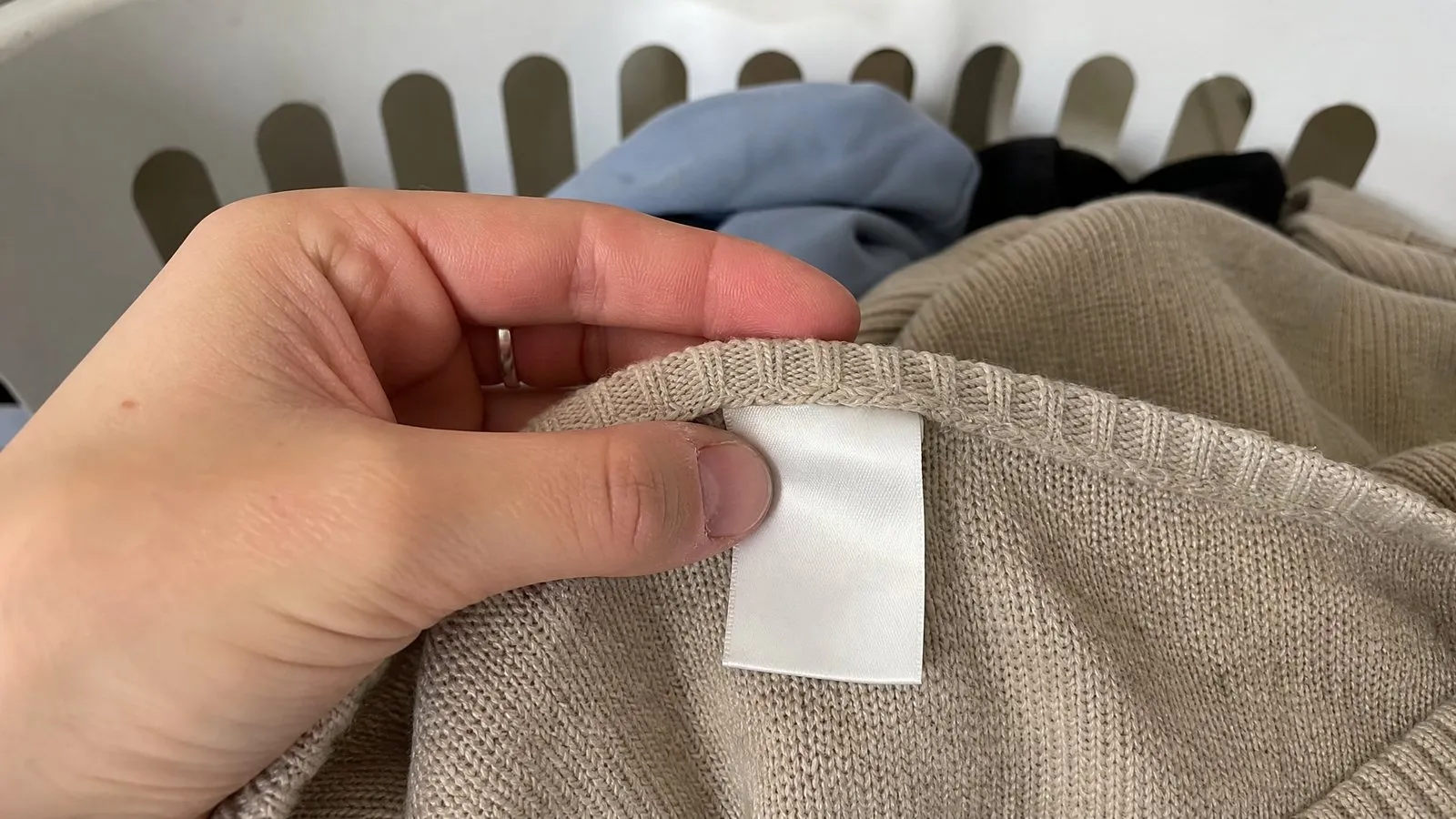
Temperature matters for getting towels genuinely clean, because towels stay damp and warm — ideal conditions for odor-causing bacteria. But hotter isn’t always allowed. Check the care label first; our guide to laundry care symbols explains the dots and numbers.
Here’s a practical guide by fabric:
| Towel type | Recommended wash temp | Notes |
|---|---|---|
| White cotton bath towels | Hot, 130°F / 54°C | Hottest safe setting; best for odor and germ control |
| Colored cotton towels | Warm, 104°F / 40°C | Keeps colors longer; still cleans well |
| Cotton-blend / everyday towels | Warm, 104°F / 40°C | Good all-round default |
| Microfiber towels | Warm, up to 104°F / 40°C | Never hot — high heat damages the fibers |
| Bamboo or “eco” blends | Warm or cool, per label | Often need lower temps; check the tag |
A few extra points:
- Warm (40°C) is the sensible default for most mixed towel loads. It cleans effectively without fading colors or shrinking.
- Wash microfiber separately from cotton. Cotton sheds lint that clings to microfiber and ruins its grab.
- Hot washes are worth it occasionally for white towels, towels used by someone who’s been ill, or anything that’s gone musty. The CDC recommends warm or hot water plus thorough drying for laundry that needs to be hygienically clean.
- Skip hot water if the label says cool only, or for delicate decorative towels — you’ll shrink or warp them.
Don’t overload the machine
This is the most common mistake, and it quietly causes most towel problems. Towels are thick and absorbent, so they soak up a huge amount of water and swell up in the drum.
When the machine is packed:
- Detergent and water can’t circulate, so towels don’t rinse clean.
- Residue and bacteria stay behind, which causes that musty smell.
- Towels come out of the dryer still damp in the folds.
The rule of thumb: fill the drum about three-quarters full, no more. You want a hand’s width of space at the top and the towels should be able to tumble freely. A standard home washer handles roughly 6–8 regular bath towels at once; cut that down if your machine is smaller.
Running two smaller loads beats cramming one giant load that comes out half-clean.
Dry towels all the way through
Damp is where freshness goes to die. A towel that’s put away even slightly damp will smell musty within a day or two, because bacteria and mildew grow in the moisture.
In the dryer:
- Use a medium-to-high heat setting for cotton (medium for blends and microfiber).
- Add wool dryer balls to separate the towels and cut drying time.
- Don’t overpack the dryer — towels need room to tumble.
- Check the thick hems and folded edges, not just the flat surface. Those are the last parts to dry. If they’re even slightly cool and damp, run another 10–15 minutes.
- Clean the lint filter every load. A clogged filter makes drying slow and incomplete, and it’s a fire-safety issue the US Fire Administration flags regularly.
Air-drying (line or rack):
- Hang towels fully spread out, not bunched, so air reaches both sides.
- Outdoors in sun is great — UV helps freshen and the breeze fluffs fibers. Air-dried towels feel stiffer, so a quick 10-minute tumble on low afterward softens them right up.
- Indoors, use a spot with airflow and don’t overcrowd the rack. In a small or humid apartment, crack a window or run a fan; towels drying slowly in a stuffy room is exactly how musty smells start.
Never leave a finished wet load sitting in the machine. If you forget it for more than a few hours and it smells sour, rewash it.
How to fix stiff, flat, or musty towels
Most tired towels can be revived. Pick the fix that matches the problem.
Musty or sour smell
This is bacteria and/or mildew in the fibers. Do a strip-style rewash:
- Run the towels on a hot wash (if the label allows) with your normal detergent.
- Add 1 cup (240 ml) of white vinegar to the rinse — or run a second rinse with the vinegar if your machine allows. Do not add bleach in the same cycle as vinegar.
- If smell lingers, run a third wash with ½ cup (about 120 g) of baking soda in the drum with the towels.
- Dry completely, ideally with some sun if you can.
Baking soda is a reliable laundry deodorizer — see more in Baking Soda Cleaning: 12 Uses That Actually Work.
Stiff, scratchy, or “crunchy” towels
Usually detergent or softener buildup. The vinegar + baking soda wash above strips it out. Going forward, use less detergent, add a vinegar rinse, and dry with dryer balls.
Towels that won’t absorb water
Classic sign of fabric softener coating. Wash them hot (per label) with a vinegar rinse, no softener, twice if needed. Then stop using softener on towels permanently.
The smell keeps coming back
The problem might be your machine, not your towels. Front-loaders especially trap moisture and grime around the door seal and develop a smell that transfers to every load. Clean the machine monthly — our guide on how to clean a washing machine walks through both front- and top-loaders. Leave the door ajar between washes so the drum dries out.
When to just replace them: if towels are thin, shedding heavily, or smell comes straight back after a proper strip wash, the fibers are worn out and no wash will restore them.
How often to wash towels
Washing on a sensible schedule keeps towels fresh and saves you from over-washing, which wears them out faster. General guidance from laundry and public-health sources lines up like this:
| Towel type | Wash after | Notes |
|---|---|---|
| Bath towels | Every 3–4 uses (about weekly) | Hang spread out to dry fully between uses |
| Hand towels (bathroom) | Every 2–3 days | They stay damp and get touched often |
| Kitchen towels / dish towels | Every 1–2 days | Wash sooner if used on raw-meat spills |
| Washcloths / face cloths | After every use | Small, always damp, used on your face |
| Gym or sweat towels | After every use | Sweat feeds bacteria fast |
Two things make the biggest difference between washes:
- Always hang towels fully open to dry. A towel bunched on a hook or crumpled on the floor stays damp and goes musty long before it’s actually dirty. Give each person their own hook or bar.
- Wash kitchen towels more often than you think. Dish towels pick up food residue and bacteria quickly. Keep them separate from bath towels, and swap in a fresh one daily. The kitchen guide covers this in How to Clean a Kitchen Properly.
If you want towel washing to just happen on autopilot, build it into a routine — a fixed “towel day” each week works well. See A Weekly Cleaning Schedule That Takes 20 Minutes a Day for a simple framework, or the free Weekly Cleaning Plan tool to set your own.
A quick routine that keeps towels soft
Put it all together and it’s easy:
- Sort towels by color and type; keep microfiber separate.
- Don’t fill the drum past three-quarters.
- Use the label-correct dose of detergent — err on the low side.
- Wash warm (hot for whites or anything musty), skip fabric softener.
- Add a vinegar rinse now and then if you have hard water or buildup.
- Dry fully with dryer balls; check the hems before folding.
- Hang towels spread out between washes so they dry completely.
FAQ
Can I use vinegar in every wash?
You can, but you don’t need to. A vinegar rinse every few washes is plenty for most people — it strips residue and keeps towels soft. Use it more often if you have hard water. Just never combine it with bleach or chlorine-based products in the same cycle.
Why do my towels smell bad right after washing?
Usually detergent buildup, an overloaded machine that didn’t rinse properly, or a washing machine that needs cleaning. Try a hot wash with a vinegar rinse, don’t overfill the drum, and clean your machine monthly. Make sure the towels dry all the way through, including the hems.
Is it better to air-dry or tumble-dry towels?
Both work. Tumble-drying with dryer balls gives the fluffiest result and the lowest musty risk because towels dry fast and fully. Air-drying is gentler on fibers and energy-free but leaves towels stiffer — a 10-minute tumble on low afterward softens them. Whichever you choose, the key is drying them completely.
How hot should I wash white towels?
As hot as the care label allows, typically up to about 130°F (54°C). Hot water is best for odor control and for towels used by someone who’s been ill. For colored towels, stick to warm (40°C) to protect the color, and never wash microfiber hot.
How do I stop towels going hard and scratchy?
Cut back on detergent, stop using fabric softener, add an occasional vinegar rinse, and dry with wool dryer balls instead of over-drying on high heat. If they’re already stiff, do one hot wash with vinegar followed by a wash with baking soda to strip the buildup out.
A note on health information: Always read and follow the label on any cleaning product, ventilate the room, and never mix products unless the label says it is safe. Test any method on a hidden spot first. If someone swallows a cleaning product or has trouble breathing after exposure, call Poison Control or emergency services right away.