How to Clean a Washing Machine (Front-Load and Top-Load)
Clean your washing machine to stop odors: wipe the gasket, clean the drawer and filter, run a hot cleaning cycle, and leave the door open to dry.
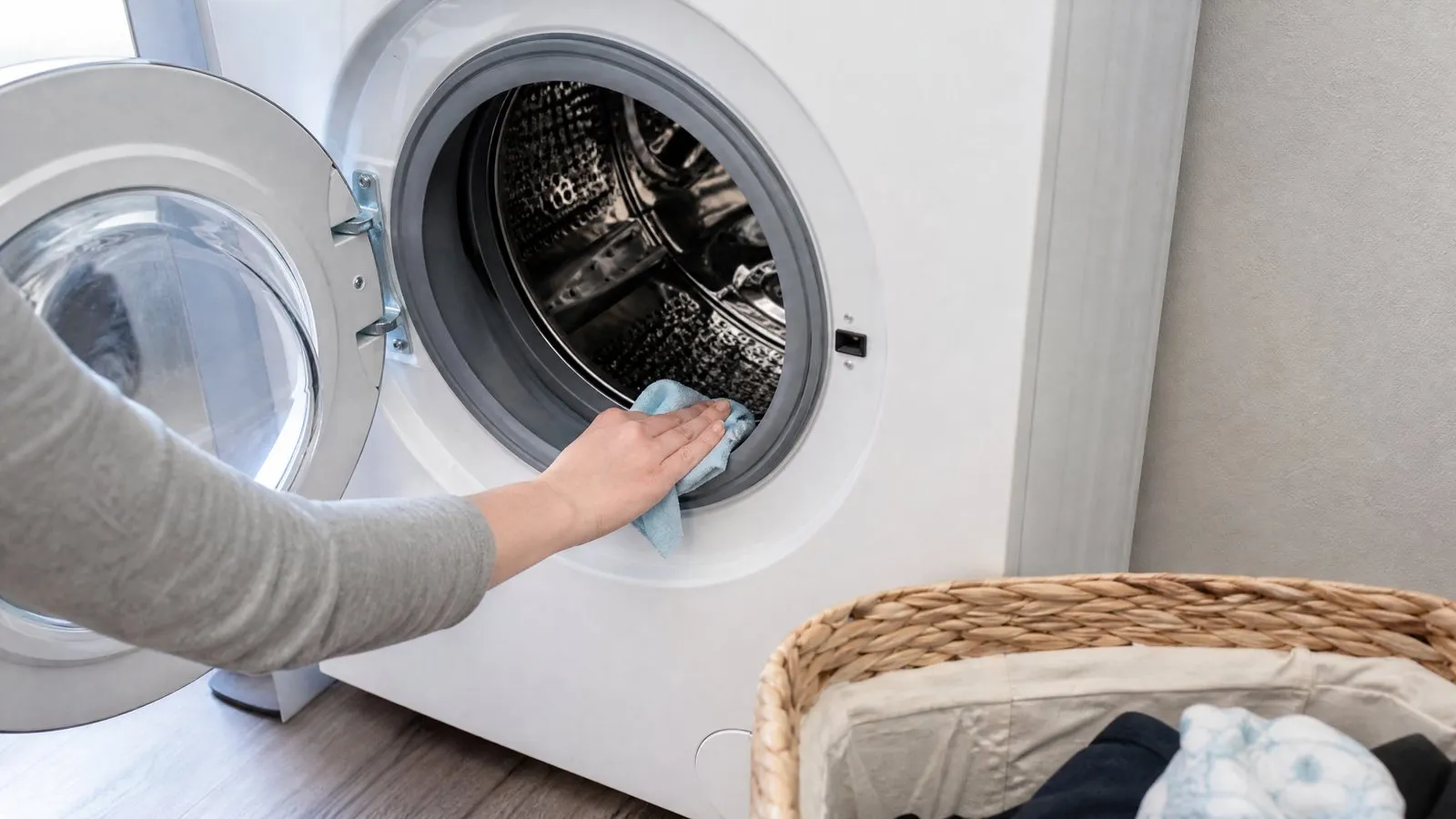
A smelly or grimy washing machine usually needs three things: a wiped-down rubber gasket (front-loaders), a cleaned dispenser drawer and filter, and a hot cleaning cycle run empty. Do those today and leave the door open afterward to dry. The whole job takes about 20 minutes of hands-on time, plus a cycle running in the background.
Here’s how to do it properly for both front-load and top-load machines, and how often to repeat it.
Why washing machines start to smell
Washing machines are warm, damp, and full of leftover residue — the perfect spot for mold, mildew, and bacteria to grow. A few things make it worse:
- Too much detergent or fabric softener. Excess product doesn’t rinse away. It builds up in the drum, drawer, and seal, and feeds smells.
- Cold washes only. Low temperatures save energy but don’t break down the oily film and biofilm that cause odors.
- A closed door between loads. Trapped moisture lets mildew thrive, especially in front-loaders with a sealed rubber gasket.
- Damp laundry left sitting. Wet clothes forgotten in the drum sour quickly and transfer that smell to the machine.
Front-loaders are more prone to odor than top-loaders because the door seals tightly and water pools in the rubber gasket. The good news: the fix is the same routine every time.
What you’ll need
You don’t need special “washing machine cleaner” tablets, though they’re fine if you have them. Basic supplies work:
- White vinegar or liquid chlorine bleach (never both — see the safety note below)
- Baking soda (optional, helps scrub)
- A few old cloths or paper towels
- An old toothbrush or small brush
- A bowl and some warm water
- Rubber gloves
Safety note: Never mix bleach with vinegar, or with any other cleaner. Combining bleach and acids releases toxic chlorine gas. America’s Poison Centers and the US EPA both warn against mixing cleaning products. Pick one — vinegar or bleach — and rinse the drum well before switching. For more, see cleaning products you should never mix.
How to clean a front-load washing machine
Front-loaders need attention to the rubber door gasket, which top-loaders don’t have. Work top to bottom.
1. Clean the rubber door gasket (5 minutes)
This is the number one source of front-load odor. Water, hair, coins, and gunk collect in the folds.
- Pull back the rubber seal gently with your fingers and look inside the folds.
- Wipe the whole gasket with a cloth dampened in warm water and a little detergent, or a 1:1 mix of white vinegar and water.
- For visible black mold spots, use a cloth dampened with diluted bleach (about 1 tablespoon bleach per 2 cups water), wearing gloves and keeping the room ventilated.
- Get into the creases with an old toothbrush.
- Remove any coins, hair clips, or debris you find trapped at the bottom.
- Dry the gasket with a clean cloth.
If the gasket is heavily stained with black mold that won’t wipe away, the mold may be growing behind the seal. Letting bleach solution sit on it for 10 minutes can help, but deep-set mold sometimes means the seal needs replacing — a job for a technician or your landlord.
2. Clean the dispenser drawer (5 minutes)
The detergent and softener drawer gets a slimy buildup, especially where softener sits.
- Pull the drawer all the way out. Most release with a tab or button inside the empty slot — check your manual.
- Soak it in warm water for a few minutes, then scrub with the toothbrush. Baking soda helps lift sticky residue.
- Wipe inside the empty cavity where the drawer sits — mold often grows on the roof of that space.
- Dry and slide it back in.
3. Clean the drain pump filter (5–10 minutes)
Most front-loaders have a filter (sometimes called the drain pump filter or trap) behind a small hatch at the front bottom of the machine. It catches coins, lint, and buttons — and it can get smelly. Check your manual, as not all machines have an accessible one.
- Put down an old towel and a shallow dish — water will come out.
- Open the hatch. There’s usually a small drain hose or a screw-off cap.
- Drain the water into the dish first if there’s a hose.
- Unscrew the filter slowly and pull it out.
- Rinse away lint, hair, and debris under the tap. Remove any trapped objects.
- Screw it back in firmly and close the hatch.
Do this every one to three months. A clogged filter causes poor draining and smells.
4. Run a hot cleaning cycle (follow your manual)
Many front-loaders have a dedicated “tub clean,” “drum clean,” or “self clean” cycle — use it if you have one. Otherwise, run the hottest, longest cycle with the drum empty.
- With vinegar: Pour 2 cups of white vinegar into the detergent drawer or drum and run a hot cycle.
- With bleach: Add about ½ cup of liquid chlorine bleach to the designated dispenser and run a hot cycle. This disinfects well. Follow it with a plain rinse cycle.
Don’t use both in the same cycle, and never together.
5. Leave the door and drawer open to dry
This is the single best habit for preventing odor. After the cleaning cycle — and after every wash — leave the door and the dispenser drawer open so the inside dries out. If you have small kids or pets, see the safety note at the end about door safety.
How to clean a top-load washing machine
Top-loaders are a little simpler — no door gasket to fuss with — but still need regular cleaning.
1. Clean the dispensers and rim (5 minutes)
- Wipe the fabric softener and bleach dispensers; remove them if they lift out and rinse.
- Wipe under the lid and around the top rim of the drum, where residue and lint collect.
- On high-efficiency (HE) top-loaders, wipe the seal around the lid if there is one.
2. Run a hot cleaning cycle
If your machine has a “tub clean” or “self clean” setting, use it. Otherwise:
- Set the machine to the largest load size and hottest water.
- For agitator models (older, with a central post): let the tub fill with hot water, add 2 cups of vinegar or 1 cup of bleach, let it agitate for a minute, then pause for an hour so it soaks. Resume and let the cycle finish.
- For HE top-loaders (no center post): add the vinegar or bleach to the dispenser and run the cleaning or hottest cycle — you usually can’t pause these to soak.
3. Wipe the drum and run a rinse
After the cleaning cycle, wipe the inside of the drum with a damp cloth to catch any loosened grime. If you used bleach, run a short plain rinse cycle before washing clothes.
4. Leave the lid open to dry
Same rule as front-loaders: leave the lid up between loads so moisture escapes.
A simple cleaning schedule
Here’s how often to do each task. Adjust up if you do lots of cold washes, use fabric softener, or notice smells sooner.
| Task | Front-load | Top-load |
|---|---|---|
| Wipe the door gasket | Weekly | N/A |
| Leave door/lid open to dry | After every wash | After every wash |
| Wipe dispenser drawer and rim | Monthly | Monthly |
| Hot cleaning cycle (empty) | Monthly | Monthly |
| Clean drain pump filter | Every 1–3 months | Check manual |
| Deep clean behind seal / full check | Every 6 months | Every 6 months |
If your machine already smells bad, start with a full clean today, then settle into the monthly rhythm.
Everyday habits that prevent the smell coming back
Cleaning fixes the problem; habits keep it away. These take seconds:
- Use less detergent. Most people use too much. Measure to the line on the cap, and use less in soft-water areas. More suds doesn’t mean cleaner clothes — it means more residue.
- Run a warm or hot wash sometimes. If you wash mostly cold, run towels or bedding hot once a week. The American Cleaning Institute notes warmer water helps remove body oils and soils that cold washes leave behind. See how to wash towels so they stay soft and fresh.
- Don’t leave wet laundry sitting. Move loads to the dryer or line promptly.
- Skip or cut back on liquid fabric softener. It’s a major cause of gasket and drawer buildup. Wool dryer balls or a splash of vinegar in the rinse are gentler on the machine.
- Leave the door open. Worth repeating — it’s the easiest win.
Folding this into your routine helps. Our weekly cleaning schedule and daily cleaning habits guides make small tasks like wiping the gasket feel automatic, and the washing machine fits naturally into a deep cleaning checklist every month or two.
A note on vinegar
Vinegar is a cheap, effective deodorizer and descaler for washing machines, and it’s fine for occasional use. A few cautions: used very frequently, acidic vinegar can degrade rubber seals and hoses over time, so monthly is sensible rather than every wash. It also doesn’t disinfect the way bleach does. For a fuller picture of where vinegar helps and where it harms, see cleaning with vinegar.
When to call a professional
Most odor and buildup problems are DIY. Get help when you see signs of a mechanical or plumbing fault:
- A smell that returns within days no matter how often you clean — this can mean mold deep behind the drum or a drainage issue.
- Standing water that won’t drain after you’ve cleaned the filter.
- Visible mold growing from behind the gasket that bleach won’t shift (the seal may need replacing).
- Leaks, grinding noises, or error codes.
If you rent, report persistent mold or drainage problems to your landlord — these are usually their responsibility to fix.
FAQ
Can I use vinegar and baking soda together to clean my machine?
You can, but they mostly cancel each other out chemically, so there’s no magic reaction. Use vinegar in a hot cycle to descale and deodorize, and use baking soda separately as a mild scrub on the drawer or drum. Don’t expect fizzing to do deep cleaning work.
How do I stop my front-loader smelling between cleans?
Leave the door and detergent drawer open after every wash, wipe the gasket dry once a week, use less detergent and softener, and run a hot wash at least weekly. Those four habits prevent most odor. A monthly empty hot cycle handles the rest.
Is bleach or vinegar better for cleaning a washing machine?
Bleach disinfects and kills mold more thoroughly; vinegar deodorizes and descales but doesn’t disinfect. Either works for routine cleaning. Use bleach if you’re dealing with visible mold or lingering smells, and always follow it with a plain rinse. Never use the two together.
How often should I clean the drain filter on a front-loader?
Every one to three months, or sooner if the machine drains slowly or smells. Check your manual first — put a towel and dish underneath, as water will spill out when you open it.
Do top-load washers need as much cleaning as front-loaders?
They need the same hot cleaning cycle and dispenser wiping monthly, but they usually smell less because there’s no sealed rubber gasket trapping water. Leaving the lid open to dry still helps a lot.