How to Read Laundry Care Labels (Symbols Explained)
Learn to read laundry care labels fast. The five symbol groups explained in plain English, dots for temperature, US vs international icons, and no-label tips.
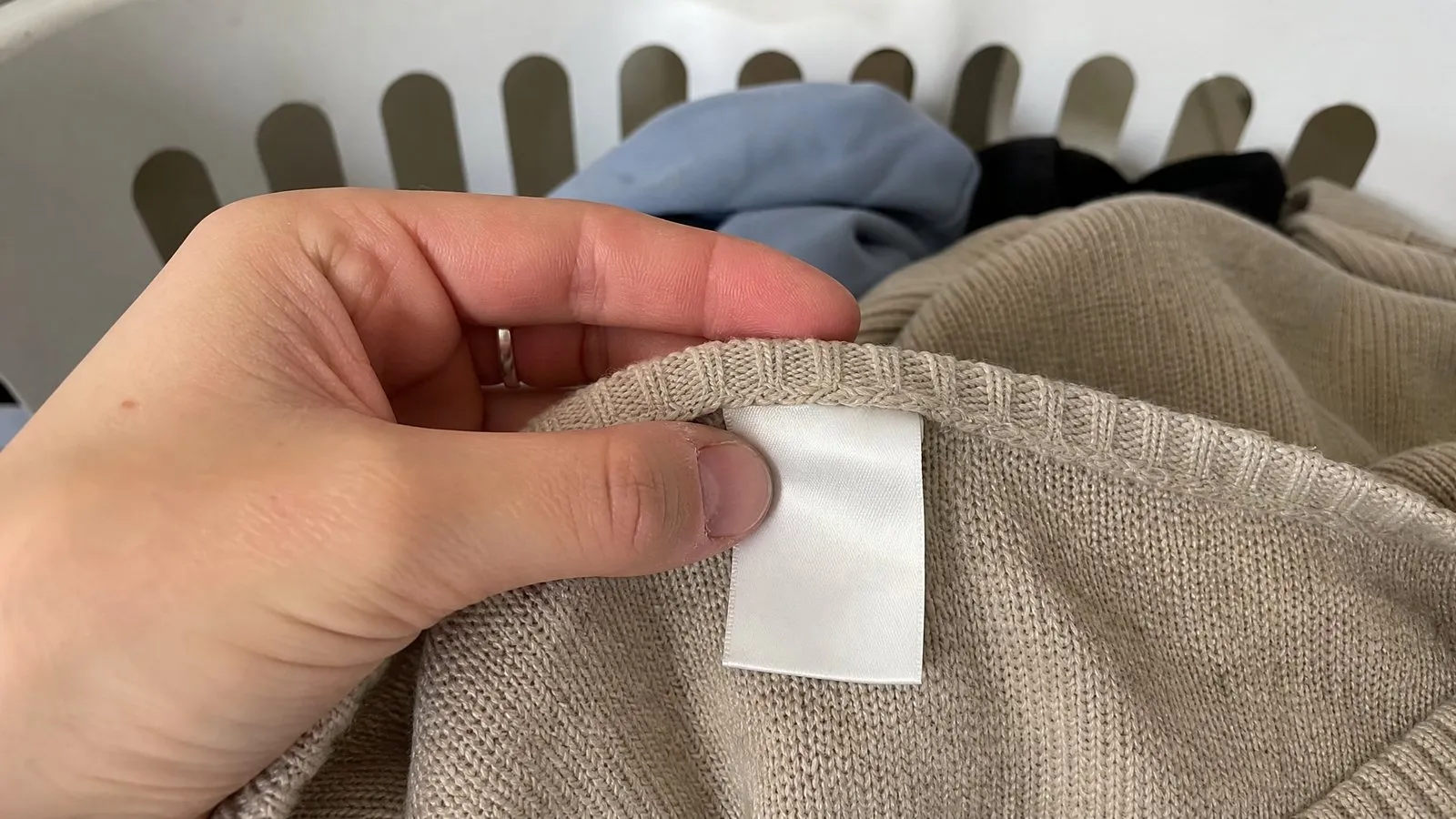
The symbols on a care label fall into five groups, always in the same order: wash (a tub), bleach (a triangle), dry (a square), iron (an iron shape), and professional care (a circle). The more dots or lines a symbol has, the gentler or cooler the treatment it’s asking for. A bar under a symbol means “be gentle,” and an X through any symbol means “don’t do this.”
Learn those few rules and you can read almost any tag in seconds. Here’s each group in detail, plus what to do when there’s no label at all.
The five symbol groups, in order
Every care label uses the same sequence of shapes. Once you know the shapes, you only need to decode the dots, bars, and dots inside them.
| Shape | What it controls |
|---|---|
| Tub of water | Washing (machine or hand) |
| Triangle | Bleaching |
| Square | Drying (tumble or line) |
| Iron | Ironing |
| Circle | Professional cleaning (dry clean or wet clean) |
The order never changes, so even on a worn or tiny label you can work out which symbol is which by its position.
1. The wash tub (washing)
The washing instruction is a tub shape with a wavy line of water across the top.
- Dots inside the tub show temperature. More dots means hotter. One dot is cool (about 30°C / 85°F), two dots warm (40°C / 105°F), three dots hot (50°C / 120°F), and up to six dots on some international labels for very hot water.
- A number inside the tub also means temperature, shown in Celsius (30, 40, 60). You’ll see this often on UK, Canadian, and Australian clothing.
- One bar under the tub means a gentle or “permanent press” cycle.
- Two bars means a delicate or wool cycle (very gentle).
- A hand in the tub means hand wash only.
- An X over the tub means do not wash in water at all — check the dry-clean symbol instead.
When in doubt, cooler and gentler is almost always the safe choice. Cool water also saves energy and is kinder to colors. If you’re new to all this, our beginner’s laundry guide walks through sorting and loading step by step.
US vs international washing symbols
In the US, care labels (which follow the ASTM standard) usually show dots for temperature inside the tub. International and UK/EU/Australian labels (following the ISO/GINETEX system) often show the number in Celsius instead. They mean the same thing — just two ways of writing the temperature.
2. The triangle (bleaching)
The triangle tells you whether and how you can bleach.
- A plain triangle means any bleach is allowed, including chlorine bleach.
- A triangle with two diagonal lines inside means only non-chlorine (oxygen, “color-safe”) bleach is allowed.
- A triangle with an X through it means do not bleach at all.
A quick safety note: chlorine bleach and other cleaners don’t mix. Never combine bleach with ammonia or acidic products — it can create dangerous gases. We cover this in cleaning products you should never mix. The American Cleaning Institute and product labels both recommend using bleach only as directed and never mixing it with other cleaners.
3. The square (drying)
The square covers drying. It splits into two ideas: tumble drying and natural (air) drying.
Tumble drying is shown by a circle inside the square.
- One dot in the circle means low heat.
- Two dots means medium heat.
- Three dots means high heat.
- A filled-in (black) circle means tumble dry with no heat (air only).
- A bar under the square means a gentle/permanent-press tumble setting; two bars means delicate.
- The square-with-circle crossed out means do not tumble dry.
Natural drying is shown by lines inside a plain square.
- A vertical line means line dry (hang it up).
- A horizontal line means dry flat — important for sweaters and knits that stretch.
- Three vertical lines means drip dry (hang it soaking wet without wringing).
- A diagonal line in the top corner means dry in the shade (keeps colors from fading).
High heat is the main cause of shrinking and worn-out elastic, so when a label shows low heat or line drying, it’s worth following. Learning to fold clothes to save space helps once everything’s dry.
4. The iron
The iron symbol is shaped like a classic clothes iron, and the dots inside set the temperature.
- One dot means low heat (up to about 110°C / 230°F) — for delicate fabrics like silk, wool, and many synthetics.
- Two dots means medium heat (up to about 150°C / 300°F) — for wool and polyester blends.
- Three dots means high heat (up to about 200°C / 390°F) — for cotton and linen.
- An iron with an X means do not iron.
- An iron with the steam lines crossed out means iron without steam (dry iron only).
If you’re not sure, start cool and test a hidden corner first. Too-hot an iron can scorch synthetics or leave a shine on dark fabric that doesn’t come out.
5. The circle (professional care)
The circle is for the professionals — dry cleaners and professional wet cleaners. The letters and bars inside are instructions for them, not for you, but it helps to recognize what they mean.
- A plain circle means dry clean.
- A circle with “P” means dry clean with specific solvents (standard for most dry cleaners).
- A circle with “F” means dry clean with a gentler petroleum-based solvent.
- A circle with “W” means professional wet cleaning (a gentle, water-based professional process).
- Bars under the circle signal extra caution for the cleaner.
- A circle with an X means do not dry clean.
If the only care symbol that isn’t crossed out is the circle, the garment really does need professional cleaning. Trying to wash a “dry clean only” structured jacket or heavily embellished piece at home often ruins the shape. For something less precious labeled “dry clean” (without “only”), careful hand washing in cool water sometimes works — test first and accept the risk.
Reading a full label: a worked example
Say a shirt’s label shows, left to right: a tub with two dots, a triangle with an X, a square with a circle and one dot, an iron with two dots, and a crossed-out circle.
Here’s the plain-English translation:
- Machine wash warm (40°C / 105°F).
- Do not bleach.
- Tumble dry low.
- Iron on medium heat.
- Do not dry clean.
That’s a typical everyday cotton-blend shirt. Read it that way and you’ll never have to memorize whole charts — you just decode symbol by symbol.
What to do when there’s no label
Labels fall off, get cut out because they itch, or fade until they’re unreadable. When you can’t check, treat the item as delicate until you know otherwise. Here’s a safe default routine:
- Check the fabric. Cottons and sturdy synthetics (polyester, nylon) handle normal washing. Wool, silk, cashmere, rayon/viscose, and anything with beading or leather trim need gentle care.
- Wash cool and gentle. Cold water (about 30°C / 85°F) on a delicate cycle protects nearly everything. You lose almost nothing by washing cool.
- Test colors for bleeding. Dab a hidden spot with a damp white cloth. If color transfers, wash it alone or by hand the first few times.
- Air dry. Skip the dryer when you’re unsure — heat is what shrinks and warps. Dry knits flat, hang woven items.
- Iron low and test. Start on the lowest setting and work up only if needed, always on an inside seam first.
For anything you genuinely can’t risk — a wool coat, a tailored suit, a vintage piece — take it to a professional cleaner and tell them you have no label. They can usually judge the fabric by feel.
A few extra tips that save clothes
- Turn dark and printed items inside out before washing to reduce fading and protect prints.
- Close zippers and fasten hooks so they don’t snag other items.
- Don’t overload the machine. Clothes need room to move to get clean, and a packed drum causes more wear.
- Wash similar colors and weights together. Heavy towels with light shirts wear the shirts out faster.
- Keep your machine clean. Residue and odors transfer to clothes; see how to clean a washing machine.
If a stain is your real problem, don’t just rely on a hot wash — pre-treat first. Our quick stain reference covers the common ones, and hot water can actually set protein stains like blood and sweat.
Quick symbol cheat-sheet
| Symbol | Meaning |
|---|---|
| Tub + more dots | Hotter wash water |
| Tub + number | Wash temperature in °C |
| Tub + hand | Hand wash only |
| Bar(s) under a symbol | Gentler cycle |
| Triangle | Bleach allowed |
| Triangle + lines | Non-chlorine bleach only |
| Square + circle + dots | Tumble dry; more dots = hotter |
| Filled circle in square | Tumble dry no heat |
| Square + vertical line | Line dry |
| Square + horizontal line | Dry flat |
| Iron + dots | Iron temperature; more dots = hotter |
| Circle | Professional cleaning |
| Any symbol with an X | Don’t do it |
FAQ
What does a bar under a laundry symbol mean?
A single bar under a symbol means use a gentler setting — a permanent-press or synthetics cycle. Two bars means the gentlest option, usually a delicate or wool cycle. The bars appear under the wash tub and the tumble-dry square most often.
Are US and international laundry symbols different?
The shapes are the same worldwide, but US labels (ASTM standard) usually show temperature as dots inside the tub, while UK, European, Canadian, and Australian labels (ISO/GINETEX) often show a number in Celsius instead. Both tell you the same water temperature.
Can I machine wash something labeled “dry clean only”?
It’s risky. “Dry clean only” means the maker expects water will damage the garment’s shape, dye, or trim. Structured, embellished, and tailored pieces should go to a professional. For items labeled just “dry clean” (without “only”), careful cool hand washing sometimes works — test a hidden spot first.
What temperature is safest when I’m not sure?
Cool water on a gentle cycle, around 30°C (85°F), is safe for almost all fabrics and rarely causes damage. Skip the dryer and air dry when you’re unsure, since heat causes most shrinking and warping.
How do I know if a fabric will shrink?
Natural fibers like cotton, wool, and linen shrink most, especially with hot water and high dryer heat. Synthetics like polyester and nylon shrink very little. When in doubt, wash cool and air dry — the combination of hot water and a hot dryer is what shrinks clothes the most.
A note on health information: Always read and follow the label on any cleaning product, ventilate the room, and never mix products unless the label says it is safe. Test any method on a hidden spot first. If someone swallows a cleaning product or has trouble breathing after exposure, call Poison Control or emergency services right away.